
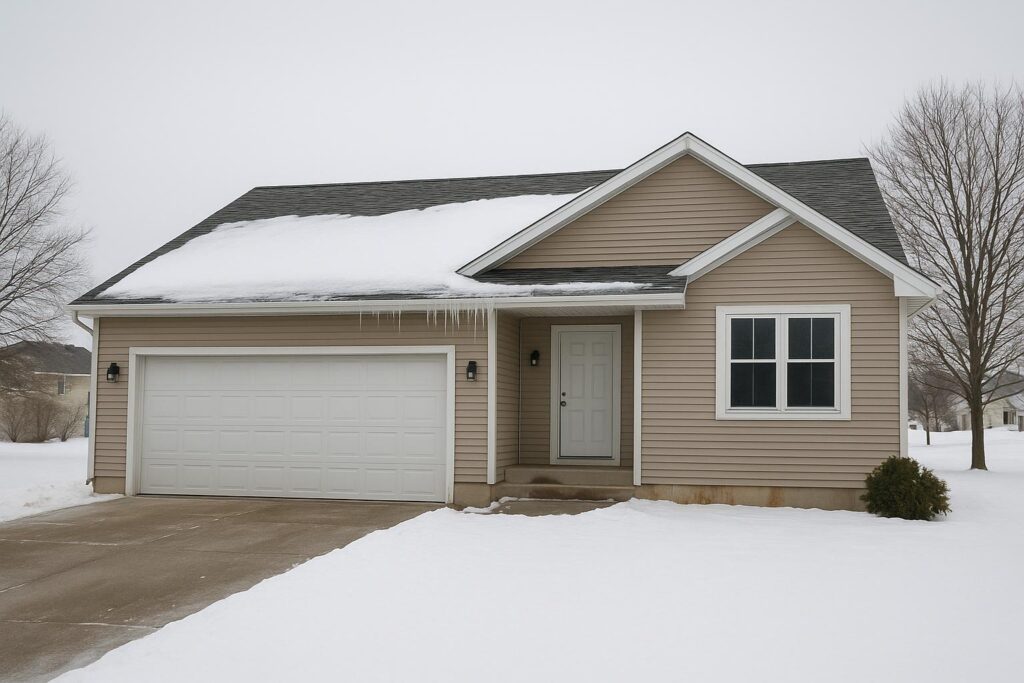
What happens if you ignore water damage?
Ignoring water damage in your home means trouble multiplies. Water that seeps in will feed mold, weaken floors, and erode crucial support structures.Trying to save money now often leads to massive bills later.
Why ignoring water damage is dangerous
Health risks from mold & microbes
Within 24–48 hours after water intrusion, mold can begin to grow in damp materials. OSHA recommends acting within 24–48 hours to limit microbial growth.
The Minnesota Department of Health alerts that “noticeable mold odors” often indicate hidden moisture issues. MDH notes mold thrives where excess moisture exists. Mold can aggravate allergies, asthma, and respiratory irritation.
Structural decay and hidden damage
Water softens wood, corrodes metal fasteners, and loosens joints. Over time load-bearing walls may warp, floor joists sag, and foundation cracks widen. Structural integrity can fail rapidly if damage spreads.
Some inspections show that just one inch of water can cause as much as $25,000 in damage in a typical home. Research from FEMA / This Old House supports that.
Water Damage Restoration Minneapolis: The Local Risk
The phrase water damage restoration Minneapolis captures the unique threats homes in our region face. Minneapolis winters bring freeze-thaw cycles that push water into cracks and expand them. Homes built on slab foundations or with basements may easily see seepage during spring melt or heavy rains.
Minneapolis climate, thaw cycles, slab homes
Snowmelt and sudden thaws can overwhelm drainage systems. Saturated soils may push upwards against basement walls, forcing cracks to open. In slab homes, water can get under the concrete slab and cause uneven floors or heaving.
Typical local sources (basement seepage, ice dams)
Basement water intrusion is common here—either via foundation cracks, clogged perimeter drains, or sump pump failures. Roof leaks from ice dams also send meltwater under shingles, into walls and ceilings.
How ignoring water damage escalates costs
Leak → repair → restoration → rebuild
An untreated small leak may cost a few hundred dollars to fix. But once mold sets in or structural elements degrade, restoration can run into thousands or tens of thousands of dollars. Repair estimates often reach tens of thousands.
Insurance sees this: average water damage claims exceed $11,000–$15,000. Krapf Legal cites average payouts around $11,605.
Insurance limits, exclusions, and denials
Standard homeowners insurance often covers sudden, accidental events—like a burst pipe—but not damage from gradual leaks or neglected maintenance. Allstate states that only sudden damage is usually covered.
Also, coverage for mold or structural repair may have sublimits—or be excluded entirely if the insurer determines negligence. Many claims fail when the damage is deemed preventable.
Hidden signs that demand action
Not all water damage is obvious. Detect these signs early:
- Musty or earthy smells in basements or closets
- Stains or discoloration on walls or ceilings
- Peeling paint or wallpaper
- Warping or buckling wood flooring
- New cracks in foundation walls
- High humidity or condensation on windows
When to call a pro vs DIY
Small spills or surface dampness you can dry quickly yourself. But call a professional if:
- Water covers large areas (more than 10 sq ft)
- Mold has already developed
- Structural elements like joists, walls, or ceiling are wet or sagging
- Electrical or plumbing systems are involved
- Insurance claims are involved
For “emergency water damage Minneapolis,” you want a specialist with 24/7 response and local knowledge of codes, licensing, and market pricing.
Steps you must take immediately after you spot water damage
Here’s what you do to stay ahead:
- Shut off your water source if possible
- Move valuables, furniture, and rugs out of harm’s way
- Ventilate the area (open windows, run fans)
- Use towels/mops to soak up standing water
- Document damage with photos/videos for insurance
- Call a qualified restoration service (local to Minneapolis) for assessment
- Begin documenting steps taken and keep all receipts
When to call a professional in Minneapolis area
If you live anywhere from Saint Paul to Bloomington or Maple Grove and you suspect real water damage, reach out to a certified restoration company. Professionals follow drying standards (IICRC), monitor humidity levels, remove mold safely, and coordinate with your insurer. Let them manage the heavy decisions so you stay calm.
CHECKLIST — 7 critical steps
- Stop water source
- Relocate valuables
- Vent and dry area
- Remove standing water
- Photograph and document damage
- Contact local restoration expert
- Track all actions and expenses
As your calm expert partner on call, Optimized Restoration stands ready to step in the moment you call. We dry, restore, remediate, and help you navigate insurance. You don’t have to go it alone.
Recommended articles
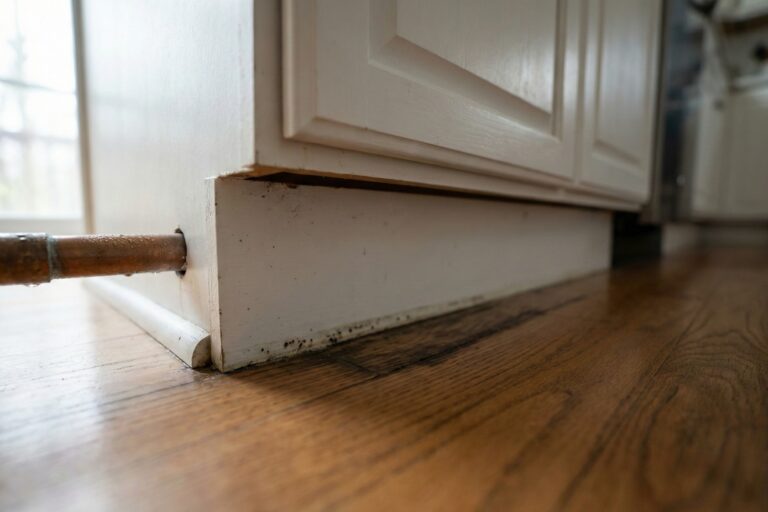
Kitchen Leak Mold Traps That Make Minnetonka Beach Families Overpay
A slow kitchen leak can quietly grow mold, trigger real mold health risks, and open the door for exaggerated bids and confusing insurance advice. This guide shows you how to protect your family’s lungs and your wallet with a clear kitchen mold action plan and scam-proof checklist.
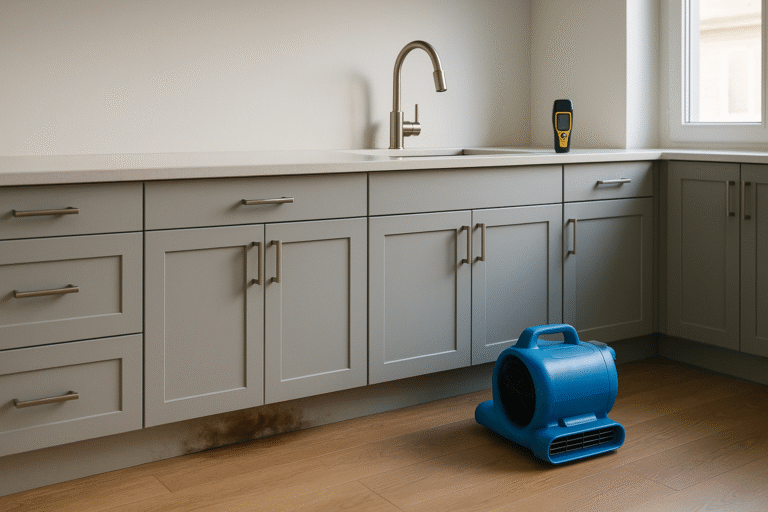
Inside The Mold Remediation Process After A Kitchen Leak: St Louis Park Homeowner Guide
A slow kitchen leak can turn into a hidden mold problem in just a few days. This step by step guide walks you through what a professional mold remediation process looks like in a wet kitchen, how to spot bad contractors, and when to call a local pro for help.
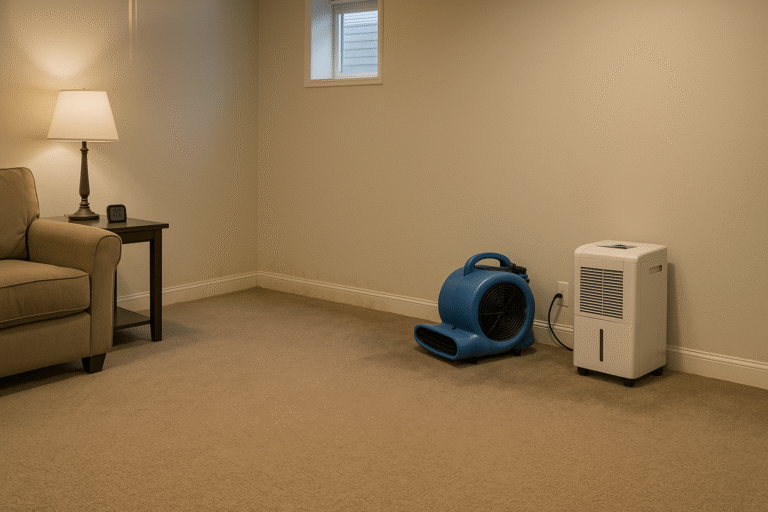
How Eden Prairie Homeowners Can Avoid A $10,000 Mold Problem In The First 24 Hours After Water
A Friday night sump pump failure leaves a finished basement soaked and a family worried about both money and health. This case study walks through the first 24 to 72 hours after water damage, how fast mold and costs can climb, and what smart steps protect your home, kids, and pets.