
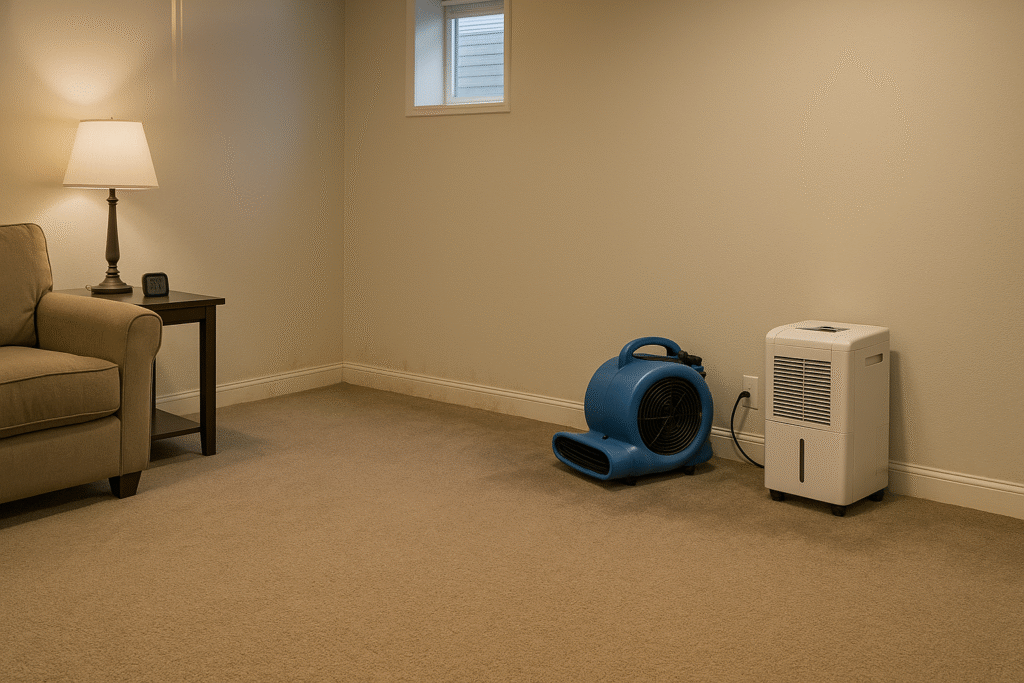
The first 24 hours after water damage often decide whether a finished basement becomes a quick weekend project or a $10,000 mold headache that lingers for months. On a recent stormy Friday evening, a family in a typical suburban home near Bryant Lake noticed their basement carpet felt cold and squishy, and they quickly realized their sump pump had quietly failed.
They had kids who loved playing video games in that basement, a dog that slept near the stairs, and a home theater setup sitting just inches above the damp floor. Ignoring the mess until Monday would have been easy. Instead, they faced a series of decisions about safety, cost, and health that millions of homeowners confront every year when water shows up where it does not belong.
This case study follows their first 72 hours, from the moment they stepped on that wet carpet to the point where the air finally smelled clean again. It shows how smart actions can protect your family’s lungs, avoid stressing pets, and keep a basement flood from turning into a mold remediation bill that eats through your savings.
Basement Case Study: A Friday Night Flood That Almost Became A $10,000 Problem
The rain had been pounding for hours when the homeowners noticed the sump pump pit was full and silent. A thin line of water had crept from the mechanical room doorway into the finished family room, soaking the carpet pad along the wall. There was no standing water, only a spreading dampness that looked minor compared to the storms outside.
They made three smart moves within the first hour. First, they kept kids and pets upstairs until they knew the power and floor were safe. Second, they shut off power to basement outlets near the wet areas at the breaker panel instead of unplugging electronics while standing on damp carpet. Third, they bailed the sump pit down by hand and called a plumber to replace the failed pump that night instead of waiting until morning.
Once the water source was under control, they walked the room slowly with a flashlight and painter’s tape, marking every spot where the carpet felt damp. The wet area was larger than it looked at first glance, running several feet out from the mechanical room and around the back side of a sectional sofa. They realized that every extra hour of soaking would drive moisture deeper into the pad, tack strip, and baseboards, making mold more likely and cleanup more expensive.
By bedtime they had moved furniture off the wet carpet, pulled back one corner to see how saturated the pad was, and started a basic shop vacuum to remove as much water as possible. It did not look dramatic, yet the decisions made that evening set the stage for whether the basement would be usable again in days or shut down for weeks.
Why The First 24 Hours After Water Damage Matter Most
Basement carpet, padding, and drywall behave like giant sponges. Once water reaches them, it rarely stays in one place. It wicks sideways and upward, soaking materials beyond the obvious edge of a wet spot. The first 24 hours after water damage are critical because this is when you can still remove moisture before it fully saturates walls, furniture, and hidden cavities.
The U.S. Environmental Protection Agency notes that mold can begin to grow on damp building materials such as wood, drywall, and carpet if they stay wet for more than about a day EPA flood cleanup guidance. Once colonies get established inside a wall or under a pad, you move from simple drying into demolition, disposal, and more complex cleaning.
Financially, that shift is huge. Drying a small, clean-water basement seep might involve a few hundred dollars of equipment rental and some sweat equity. Allowing materials to stay wet for several days can lead to moldy drywall, swollen trim, and musty odors that require professional containment, air filtration, and reconstruction. Insurance policies often distinguish between “sudden and accidental” water damage that is addressed promptly and long-term neglected problems, so waiting can also create claim disputes.
There is a health factor as well. Damp basements are often where kids play with toys on the floor and where pets rest close to the carpet. As humidity climbs and surfaces stay wet, the air can pick up mold spores and other contaminants from the water source. Acting quickly does not just protect your flooring. It protects the lungs that spend time in that room.
Step By Step Actions In The First 72 Hours
Hour 0 To 4: Make The Basement Safe And Stop The Water
Your first priority is safety. Before touching anything, look for obvious hazards such as standing water near electrical cords, tripped breakers, or bowed walls. If you see flickering lights, hear sizzling, or smell burnt plastic, stay out of the basement and contact an electrician or the fire department through the non-emergency line.
Once the space appears safe, shut off power to affected basement circuits at the main panel, especially those serving outlets along the wet walls. Avoid standing barefoot on damp carpet while handling cords or power strips. Check the source of the water. For a sump pump failure, confirm whether the pump has power, is clogged, or has simply worn out. Temporary fixes like bailing the pit, running a backup pump, or redirecting downspouts can reduce how much water reaches the slab while you arrange a repair or replacement.
After the flow of water is under control, do a quick map of the affected area. Use painter’s tape or sticky notes to outline where the carpet feels damp to your hand or where the baseboards look slightly swollen. This informal sketch becomes the roadmap for extraction and drying. It also gives you useful documentation if you need to talk with your insurer or a restoration professional later.
Hour 4 To 24: Pull Moisture Out Of Carpets, Walls, And Air
With the source addressed and hazards reduced, the next step is to remove as much liquid water as possible. A wet vacuum designed for extraction does a better job than a standard shop vacuum, but even a basic unit can help if you work slowly and overlap passes. Focus on the heaviest damp spots first, then work outward beyond where the carpet obviously feels wet since moisture often extends farther than it appears.
Once you have extracted what you can, gently pull back carpet at the edges in a few test locations. Check the pad underneath and the tack strip along the wall. If the pad is fully saturated or crumbles when squeezed, it may need to be discarded in those sections so the slab and carpet can dry. Place small blocks or plastic under furniture legs so they do not stain the carpet or trap moisture.
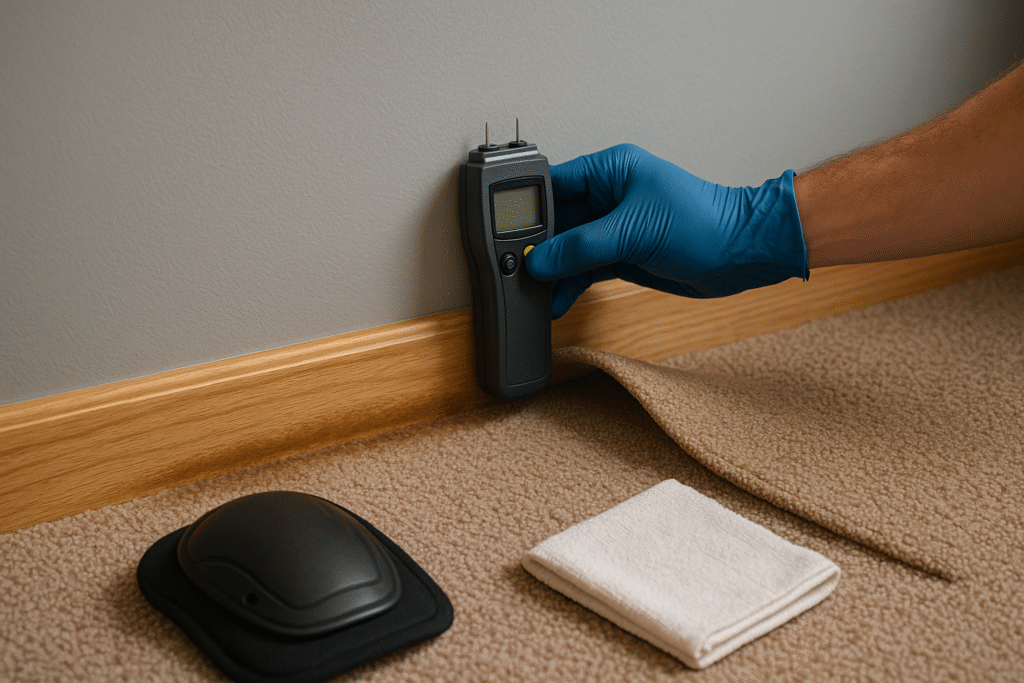
Run dehumidifiers rated for the basement’s size and position fans so they move air along wet walls without blowing directly into suspected moldy areas or into wall cavities. Crack doors at the top of stairs or open nearby windows if outside humidity is lower than indoors. The goal in these first 24 hours is not to blast the room with air at random. It is to steadily reduce overall moisture and prevent dampness from lingering inside hidden spaces.
Day 2 To 3: Watch For Early Mold, Odors, And Hidden Wet Spots
By the second day, the basement should feel less clammy and obvious wet areas should start to look normal again. This is when you switch from visible water to detective work. Run your hand along baseboards to feel for soft spots, look for slight ripples in the paint film, and pay attention to corners where walls meet floors. These are often the places where small pockets of moisture remain after the surface seems dry.
Smell is just as important as sight. A light earthy odor is a warning sign that materials may still be damp behind the surface. If parts of the basement still smell musty while other areas smell neutral, mark those spots for closer inspection. You may need to remove a small section of baseboard, drill tiny inspection holes near the bottom of the drywall, or have a professional take moisture readings inside the wall.
This is also the point where a simple seep can turn into a mold problem if ignored. If you notice visible fuzzy growth, dark spotting spreading across walls, or more than a few square feet of suspect material, it is time to pause your DIY efforts and consider bringing in professional help rather than simply painting or spraying something over the area.
Health Risks From Damp Basements For Family And Pets
A wet basement is not just a flooring issue. It changes the air throughout your home. As materials stay damp, they can support mold growth and release spores and fragments into the air. The Centers for Disease Control and Prevention explains that mold thrives where moisture is present and can cause allergic reactions, asthma flare-ups, and other irritation in sensitive people CDC mold and dampness overview.
Children often play close to the floor where dust and spores concentrate, and they may put toys that were on wet carpet into their mouths. Older adults or anyone with asthma, COPD, or weakened immune systems may notice new coughs, congestion, headaches, or fatigue when spending time in a musty basement. Pets can also react to moldy environments with sneezing, skin irritation, or simply avoiding a space they once liked.
Moisture affects indoor air quality in other ways too. Higher humidity levels above roughly 50 percent can make dust mites and other allergens more active. That means a flooded basement that remains damp can affect family members who rarely go downstairs because spores, odors, and humid air can move through the home’s ductwork and stairwells.
How Mold And Moisture Affect Children, Older Adults, And Pets
For kids, a damp basement often coincides with favorite activities: gaming, crafts, sleepovers, or indoor sports on rainy days. If the space smells earthy or musty, it may already be irritating their airways even if they do not complain. Watch for patterns such as coughing that starts when they go downstairs and eases when they return upstairs or go outside.
Older adults may spend less time in the basement but can still be affected by air that moves upstairs. They might attribute headaches, sinus pressure, or increased wheezing to seasonal allergies when the source is actually a wet slab and mold behind the walls. Pets, especially dogs that sleep on the floor, may lick their paws more, scratch, or avoid their usual resting spot if the environment feels uncomfortable.
The safest approach is to treat any new odor or visible mold following water damage as a signal to improve drying and consider professional evaluation. It is not about panic. It is about recognizing that the same moisture that threatens your drywall also influences the air your family and pets breathe every day.
When To Call A Pro In Eden Prairie
There is a point where doing more on your own does not save money. It simply delays a fix and gives mold more time to grow. If water has affected a large area of finished basement, if it has been wet for more than 24 to 48 hours, or if you see visible mold or heavy staining on drywall and baseboards, a professional assessment is often worth the call.
The Minnesota Department of Health notes that porous materials that were soaked or have visible mold growth, such as carpet, carpet pad, and drywall, often need to be removed and discarded to protect indoor air quality rather than simply dried in place Minnesota Department of Health mold and moisture page. A local restoration contractor can help you determine which materials can be cleaned and which should be replaced.
In practical terms, you should consider calling a company like Optimized Restoration if any of the following are true: you are not sure whether the water came from a clean source, the wet area is larger than a typical bedroom, the basement smells strongly musty even after steady drying for a couple of days, or you notice mold spots larger than a dinner plate on walls or furniture. Professional teams bring commercial-grade dehumidifiers, air movers, and HEPA filtration to speed drying and control spores.
What A Local Restoration Team Will Do In The First Visit
On a typical first visit, a restoration crew will walk the basement with you, ask when the leak started, and take moisture readings in the carpet, pad, drywall, and framing. They will sketch the affected area, take photographs, and help you document the loss for your insurance company if you choose to file a claim. Clear documentation helps reduce the risk of billing surprises and supports reasonable repair scopes.
They may recommend removing sections of carpet pad, cutting away lower drywall, and setting up containment if mold is already present. Containment is simply a controlled plastic wall system that keeps dust and spores inside a work area while cleaners remove damaged materials and run HEPA-filtered negative air machines. This approach protects the rest of the home so kids and pets can safely use other spaces while work continues in the basement.
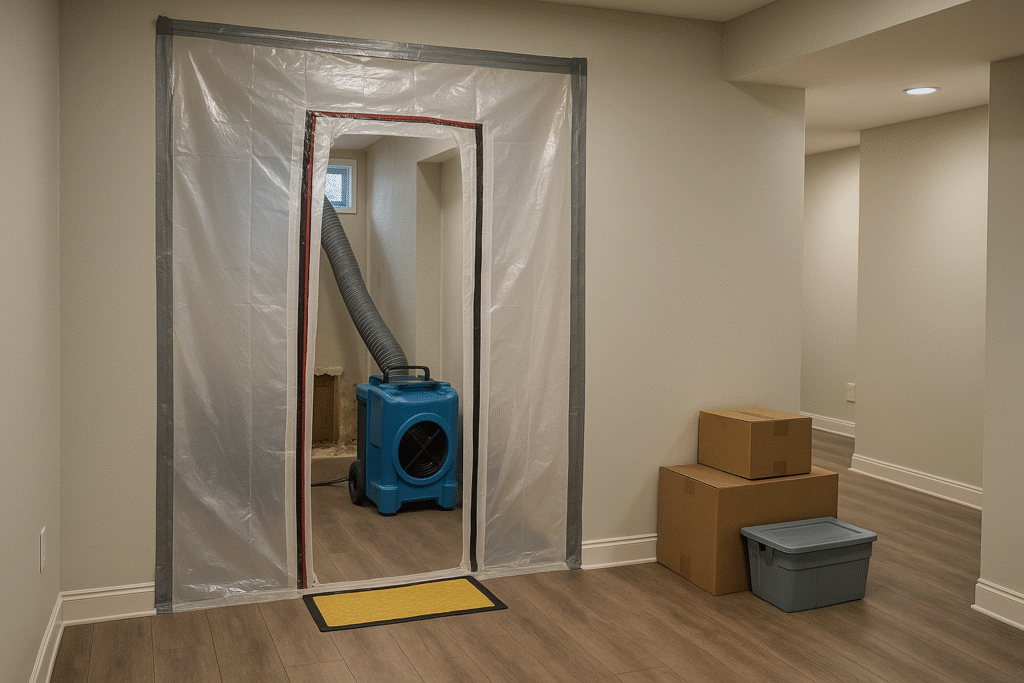
For homeowners in Eden Prairie, working with a responsive local company can also reduce downtime. A team that understands how common sump failures and heavy spring rains are in this area can help you balance insurance, budget, and health concerns so you can get the basement back into safe use without overspending.
Basement Flood Prevention Checklist
While no one can control every storm, there are practical steps that reduce the odds of another surprise seep or flood. Use this seven-step checklist to protect both your wallet and your indoor air the next time heavy rain shows up in the forecast.
- Test your sump pump twice a year by lifting the float or pouring water into the pit and confirming it discharges outside where it should.
- Add a backup pump and, if possible, a battery or water-powered backup so a tripped breaker or failed primary unit is less likely to flood the basement.
- Keep gutters and downspouts clear and extended so roof water drains several feet away from the foundation instead of next to the basement wall.
- Inspect grading and landscaping along the foundation so soil slopes away from the house, not toward it, especially near patio doors and window wells.
- Store valuable items and porous belongings on shelves or in plastic bins instead of directly on the floor so they stay out of minor leaks or seepage.
- Run a properly sized dehumidifier in the basement during humid months to keep relative humidity near or below 50 percent.
- Walk your basement after big storms, feeling along baseboards and checking mechanical rooms so small problems are caught before they become major events.
Quick FAQ On Basement Water And Mold
How fast can mold grow after a basement flood?
Under the right conditions, mold can start growing on wet materials in as little as 24 to 48 hours. Growth is faster when temperatures are moderate and humidity stays high. That is why drying out carpet, padding, and walls quickly is so important. Acting within the first day greatly reduces the chance of needing full mold remediation later.
Can I just use regular fans instead of professional drying equipment?
Household fans can help move air on the surface, but they rarely move enough volume or create the right airflow patterns to dry a basement efficiently. They can also blow spores into other rooms if mold is already present. Commercial air movers and dehumidifiers are designed to work together so moisture is actually removed from the room instead of simply pushed around.
Will my insurance cover a sump pump failure or basement seep?
Coverage varies by policy. Some homeowners have specific endorsements for sump pump overflows or sewer backups, while others have exclusions for groundwater entering through walls or slabs. It is wise to check your policy before you have a problem and talk with your agent about gaps. After a loss, document everything with photos and notes, then ask your insurer how they define sudden damage versus long-term maintenance issues.
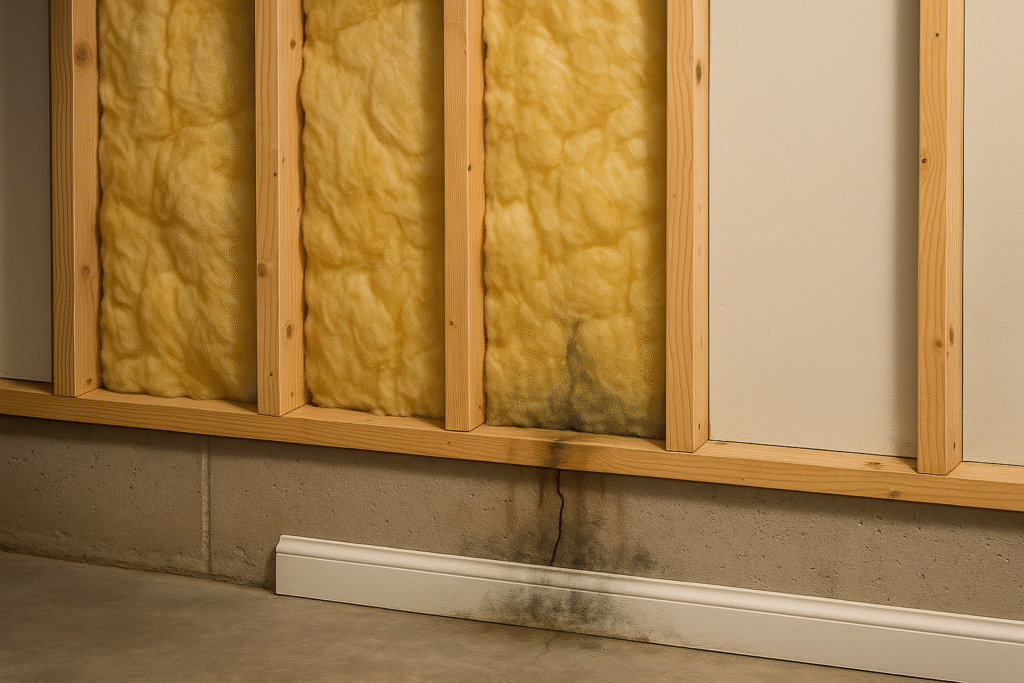
When you respond quickly in those first crucial hours, you are not just saving carpet. You are protecting your family’s breathing space and your long-term budget. A small investment in fast drying, smart decisions, and timely professional help when needed can keep your finished basement comfortable, safe, and ready for the next game night.
Recommended articles

Mold Liability After Water Damage In Orono: Who Pays When A Finished Basement Grows Mold
A slow seep in a finished basement can turn into a moldy mess and an argument over who pays. This guide walks you through mold liability after water damage, how to sort out responsibility between owners, tenants, HOAs, and contractors, and what to document so you stay in control instead of stuck in a feud.
Kitchen Leak Mold Traps That Make Minnetonka Beach Families Overpay
A slow kitchen leak can quietly grow mold, trigger real mold health risks, and open the door for exaggerated bids and confusing insurance advice. This guide shows you how to protect your family’s lungs and your wallet with a clear kitchen mold action plan and scam-proof checklist.
From Panic To Peace: A Bathroom Mold Cleanup Story In Victoria
A simple upstairs bathroom overflow turned into hidden mold, scary health questions, and a bloated five-figure estimate. This case study walks through what really happened, how the bathroom mold remediation process should look, and the money-saving choices that kept one Victoria family from overpaying.