
Prevent Mold Growth Water Damage: what it is, how it happens, and how to prevent or fix it.
Prevent Mold Growth Water Damage: what it is, how it happens, and how to prevent or fix it. Prevent Mold Growth Water Damage: what it is, how it happens, and how to prevent or fix it.Prevent Mold Growth Water Damage
Prevent Mold Growth Water Damage: what it is, how it happens, and how to prevent or fix it.Prevent Mold Growth After Water Damage
When water damage strikes a home, the impact is often more than just puddles and damp walls. Behind the scenes, excess moisture creates the perfect environment for mold growth. In Minneapolis, where humid summers and unpredictable storms are common, mold can begin to form in as little as 24 to 48 hours after water damage occurs. That means homeowners who act quickly have the power to stop mold before it ever becomes a major problem. At Optimized Restoration, we have seen how fast mold can spread when water damage is left untreated. But we have also seen homeowners take charge of the situation and keep their homes safe and healthy. This blog will walk you through the best ways to prevent mold growth after water damage so that you can stay one step ahead. You are the key decision-maker in protecting your home, and our role is simply to support you when you need an extra hand.Why Mold Grows After Water Damage
Mold thrives on three things: moisture, warmth, and a food source such as wood, drywall, or fabric. When water enters your home, whether from a burst pipe, roof leak, or basement flood, it delivers the moisture mold needs to get started. Even a small leak can create the right conditions if it goes unnoticed. The challenge is that mold is often invisible in the early stages. It can begin growing behind walls, under floors, or in ceiling cavities long before you see discoloration or smell a musty odor. That is why taking immediate steps after water damage is essential. You are not just protecting the structure of your home, you are protecting the health of everyone inside it.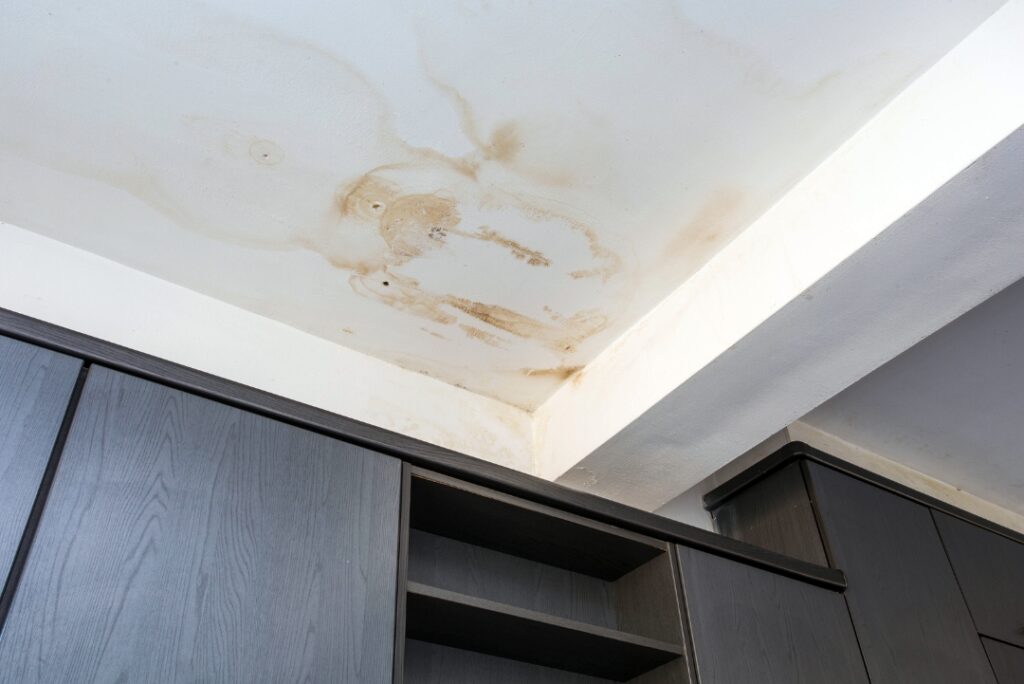
Act Quickly to Remove Moisture
Speed is the most powerful tool you have against mold growth. The sooner you remove excess water and dry the affected areas, the less chance mold has to take hold. Fans, dehumidifiers, and open windows can all help circulate air and remove lingering moisture. For homeowners in Minneapolis, where summer humidity can make drying more difficult, dehumidifiers are especially effective. They pull water from the air, lowering moisture levels to a point where mold cannot thrive. Even moving furniture away from wet walls or lifting rugs from damp floors makes a difference. These small actions add up and give you the upper hand in mold prevention.Pay Attention to Hidden Areas
The visible parts of your home are only half the battle. Water often seeps into hidden spaces where mold can grow unnoticed. Basements, crawl spaces, and attics are particularly vulnerable because airflow is limited and moisture can get trapped. Checking these areas after water damage is one of the smartest moves you can make. If you notice lingering dampness, stains, or condensation, it is worth addressing the issue before mold has a chance to spread. You are not just reacting to a problem, you are proactively stopping one before it begins.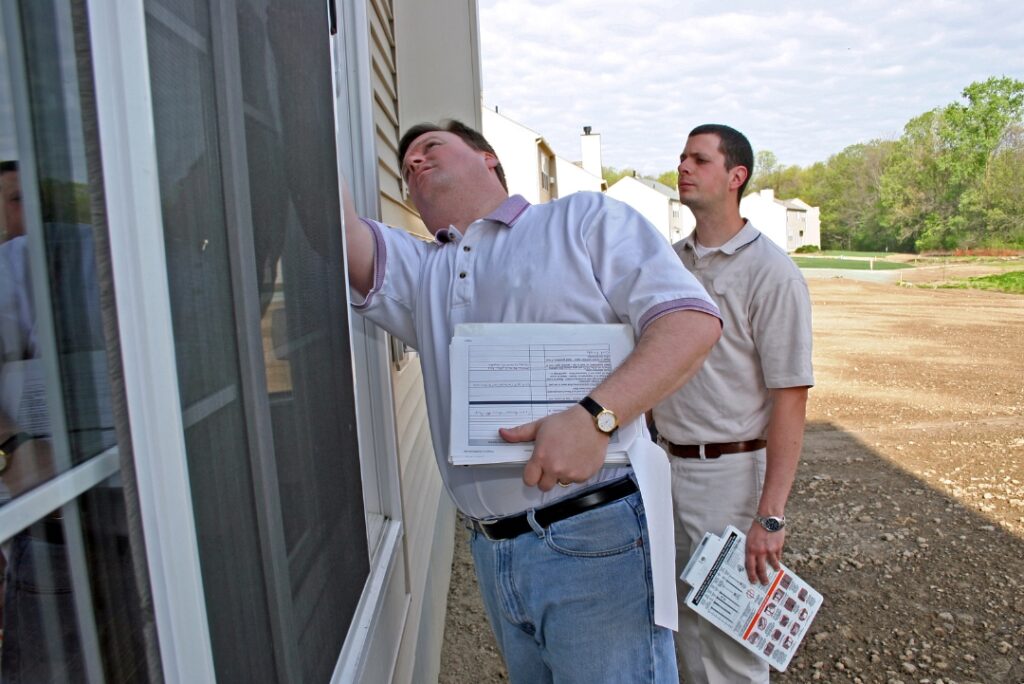
Clean and Disinfect Surfaces
Once water is removed, cleaning the affected areas is the next step in mold prevention. Mold spores are everywhere in the air, and while you cannot eliminate them completely, you can remove the conditions that allow them to settle and grow. Hard surfaces like tile, metal, and plastic should be scrubbed and disinfected thoroughly. Porous materials such as carpet and drywall may need extra attention because they absorb water and hold it longer. Even if surfaces appear dry, giving them a thorough cleaning reduces the chance that mold spores will find a foothold. This is where your role as the homeowner truly makes a difference. By taking the time to clean and sanitize, you are reinforcing the safety of your home and proving that mold does not stand a chance against your preparation.Monitor Humidity Levels
Preventing mold is not just about what happens immediately after water damage. It is also about keeping long-term conditions in check. Mold grows when indoor humidity is consistently high, so monitoring levels is an effective way to keep your home safe. Experts recommend keeping indoor humidity below 50 percent. Affordable humidity monitors are available at most home improvement stores and can give you real-time data on the conditions inside your home. Using one puts you in control and allows you to take action quickly if levels start to climb. Whether it is running a dehumidifier, improving ventilation, or adjusting your HVAC system, these steps give you the power to maintain a mold-resistant environment.Watch for Warning Signs
Even with the best prevention, mold can sometimes slip through. The good news is that you can spot it early if you know what to look for. Musty odors, discoloration on walls or ceilings, and increased allergy symptoms are all possible signs of hidden mold. If you notice any of these warning signals, it does not mean you failed. It simply means mold found an opportunity, and now you know where to focus your efforts. Recognizing issues early and acting fast keeps small problems from becoming bigger ones. You remain in charge of the situation, with resources like Optimized Restoration available to back you up if needed.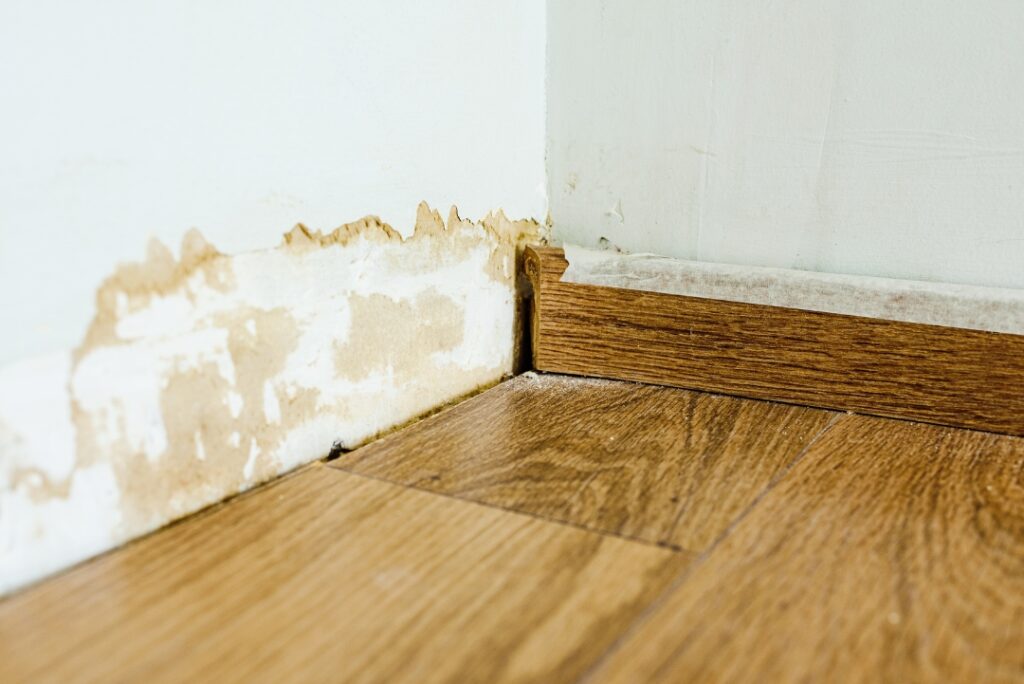
Long-Term Prevention Habits
Mold prevention after water damage is not a one-time task. It is a mindset that involves ongoing attention to your home’s environment. Regularly inspecting plumbing, checking your roof for leaks, and ensuring gutters are clear all reduce the chances of future water damage. In Minneapolis, where seasonal changes can put extra stress on homes, staying consistent with these habits pays off. Every action you take to reduce water intrusion also reduces the likelihood of mold. You are building resilience into your home, step by step.When Extra Help is Needed
Sometimes, despite preparation and quick action, water damage is too extensive for homeowners to handle on their own. When that happens, having a trusted partner makes recovery faster and less stressful. At Optimized Restoration, we view our role as supportive rather than directive. You are the one leading the charge against mold, and we are here to step in with tools and expertise only if you decide you need us.Final Thoughts
Water damage can be overwhelming, but it does not have to lead to mold growth. By acting quickly, drying affected areas, cleaning thoroughly, and monitoring conditions, you have the power to keep your home safe. The key is recognizing that prevention is within your control. At Optimized Restoration, we are proud to work alongside homeowners in Minneapolis who take mold prevention seriously. You are the hero in this story, and we are ready to stand behind you whenever support is needed. Together, preparation and awareness make all the difference in creating a healthy, mold-free home.Recommended articles
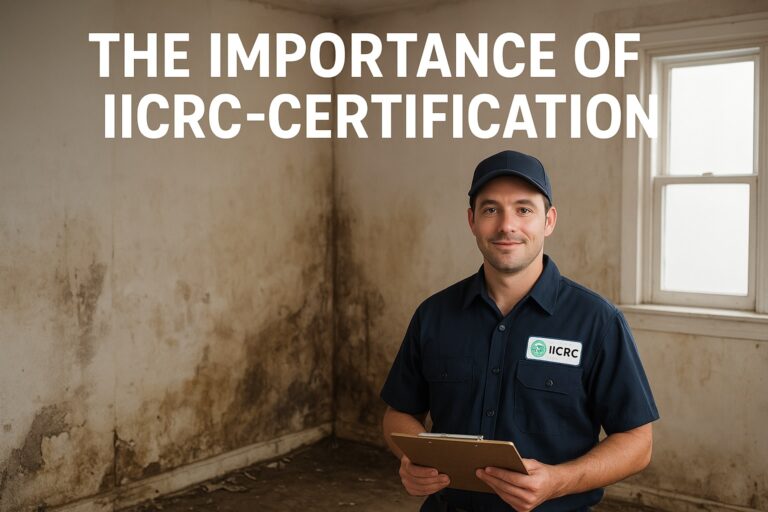
The Importance of IICRC-Certification for Homeowners in Minneapolis
When your home faces water damage, mold, fire, or smoke, you want assurance that the team restoring it is using proven techniques. That assurance often begins with IICRC-certification. In Minneapolis and the surrounding suburbs, choosing a certified firm can mean faster recovery, fewer surprises, and peace of mind. In this article, you’ll learn why this credential matters, how it protects your home, and when to call a pro in Minneapolis.
Fire Safety Tips to Protect Your Home and Family
Fire Safety Tips to Protect Your Home and Family: what it is, causes, fixes, and when to call a pro. When it comes to keeping your home and family safe, fire prevention…
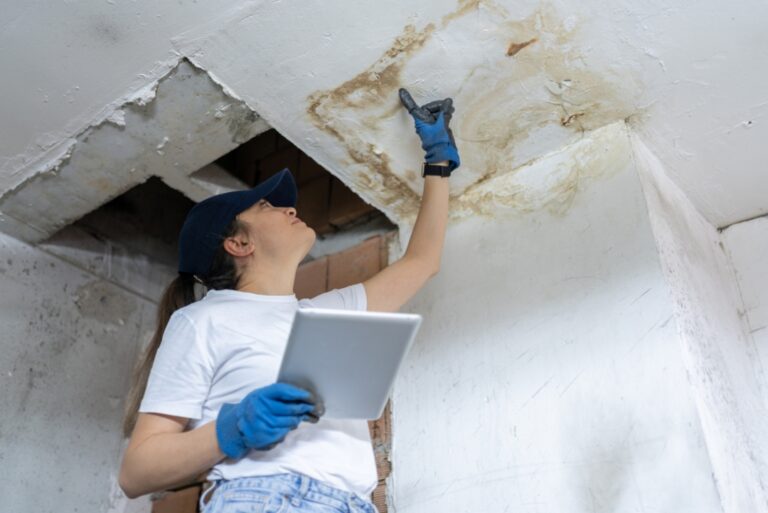
The Top 5 Causes of Water Damage and How to Prevent Them
The Top 5 Causes of Water Damage and How to Prevent Them: what it is, causes, fixes, and when to call a pro. Water damage is one of the most common and…
One Comment