
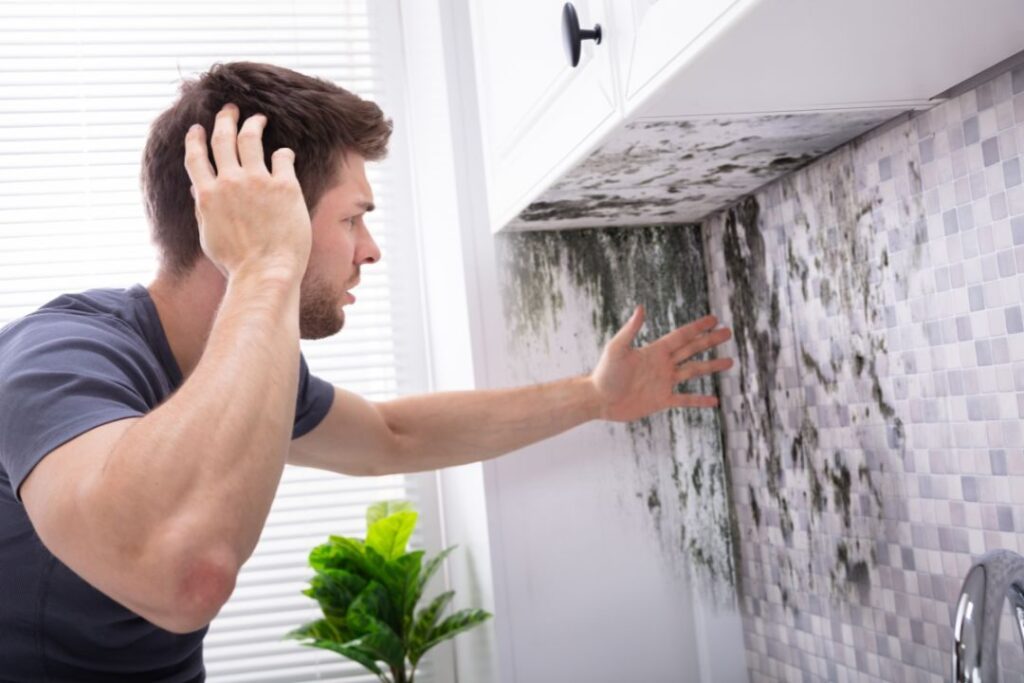
Mold in Your Minnesota Home: Causes, Risks, and How to Prevent It: what it is, causes, fixes, and when to call a pro.
You come home from a weekend away and notice a musty smell in the air. You open a closet and find discolored spots on the wall. Unfortunately, you might be dealing with mold, a problem that’s far more common in Minnesota homes than most people realize. Between humid summers, wet winters, and the occasional burst pipe or roof leak, our homes can easily create the perfect environment for mold to grow. Mold isn’t just unsightly; it can damage your home and impact your health. At Optimized Restoration, we help Minneapolis homeowners remove mold safely and prevent it from coming back. Here’s what you need to know about keeping your home mold-free.What Is Mold and Why It Matters
Mold is a type of microscopic fungus that thrives in damp, dark environments. Once it starts growing, it can spread quickly, releasing spores into the air.
-
- Health Risks: Exposure can cause allergy-like symptoms, respiratory irritation, and trigger asthma attacks; especially in children, older adults, or people with weakened immune systems.
-
- Home Damage: Over time, mold can stain surfaces, produce unpleasant odors, and even weaken structural materials like drywall and wood.
Common Causes of Mold in Minnesota Homes
Minnesota’s climate creates a variety of conditions that encourage mold growth. The most common causes we see include:-
- Water Damage: Flooding, burst pipes, and roof leaks create ideal conditions for mold if not addressed quickly.
-
- Poor Ventilation: Bathrooms, kitchens, laundry rooms, and basements often trap moisture without proper airflow.
-
- High Indoor Humidity: Summer humidity or damp basements can push moisture levels above the mold-friendly 50% mark.
-
- Snowmelt Seepage: In the spring, melting snow can seep into foundations or basements, leading to hidden water damage.
Warning Signs You May Have Mold
You may have mold if you notice:-
- A persistent musty odor
-
- Visible spots or patches that are black, green, or white
-
- Allergy-like symptoms that improve when you leave home
-
- Recent water damage that wasn’t fully dried out
How to Prevent Mold Growth
The good news? With a few simple steps, you can dramatically reduce your risk of mold:-
- Control Indoor Humidity: Keep humidity below 50%. Use dehumidifiers if necessary, especially in basements.
-
- Fix Leaks Fast: Even small drips from pipes, appliances, or the roof can lead to mold over time.
-
- Ventilate Damp Areas: Run exhaust fans in bathrooms and kitchens, and keep airflow moving in basements.
-
- Maintain Airflow While Away: Don’t shut off your AC completely on vacation; steady air circulation helps prevent moisture buildup and mold.
-
- Inspect After Storms: Check your home for leaks or water intrusion after heavy rain, snowmelt, or storms.
What to Do If You Find Mold
-
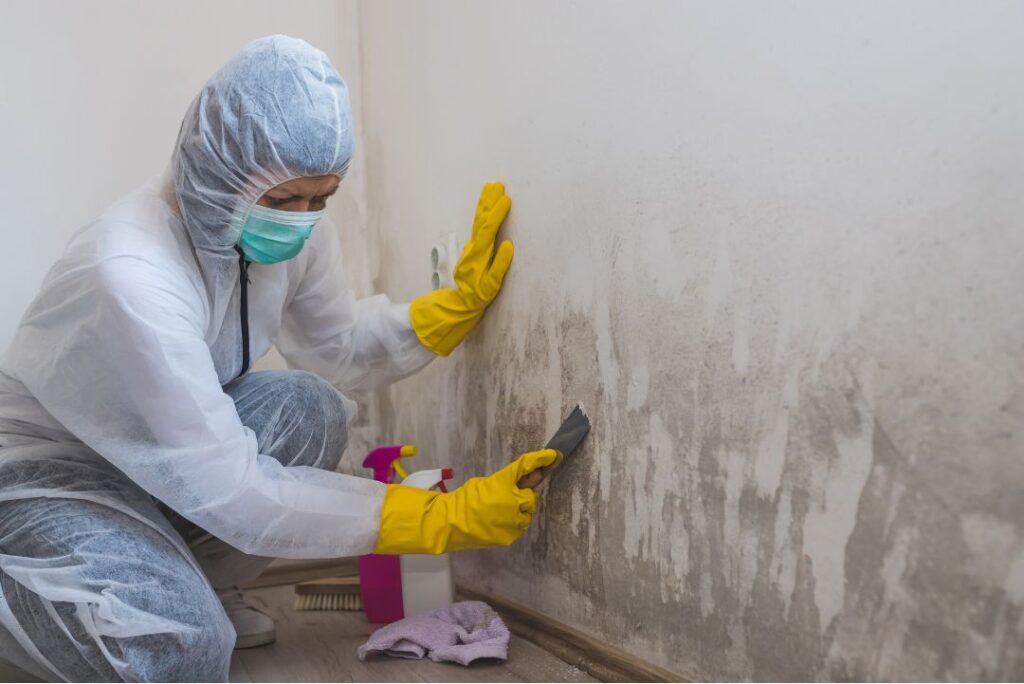
- Avoid disturbing it yourself. Cleaning mold without proper containment can release spores into the air, making the problem worse.
-
- Call (612) 567-8325 to contact 24/7 support from Optimized Restoration. Mold remediation requires the right tools, safety measures, and expertise to ensure complete removal and prevention.
The Bottom Line
Mold is more than an eyesore, it’s a health and safety risk that can get worse if ignored. With the right prevention strategies and fast professional help when needed, you can protect your home and your health. If you’ve spotted signs of mold, don’t wait. Contact Optimized Restoration today for a professional assessment and prompt, reliable remediation.See also: related guidance on Mold in Your Minnesota Home: Causes, Risks, and How to Prevent It.
Further reading: authoritative info on Mold in Your Minnesota Home: Causes, Risks, and How to Prevent It.
2 Comments
Leave a Reply
Recommended articles
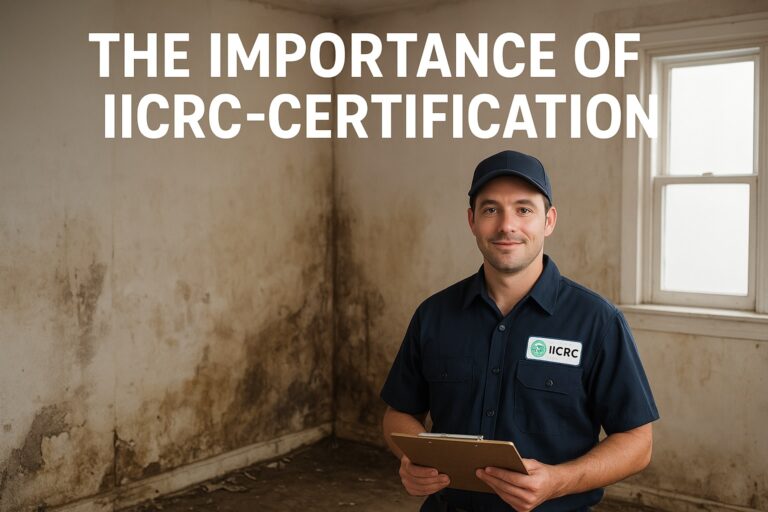
The Importance of IICRC-Certification for Homeowners in Minneapolis
When your home faces water damage, mold, fire, or smoke, you want assurance that the team restoring it is using proven techniques. That assurance often begins with IICRC-certification. In Minneapolis and the surrounding suburbs, choosing a certified firm can mean faster recovery, fewer surprises, and peace of mind. In this article, you’ll learn why this credential matters, how it protects your home, and when to call a pro in Minneapolis.

The Best Ways to Prevent Mold Growth After Water Damage
Prevent Mold Growth Water Damage: what it is, how it happens, and how to prevent or fix it.Prevent Mold Growth Water Damage: what it is, how it happens, and how to prevent…

Fire Safety Tips to Protect Your Home and Family
Fire Safety Tips to Protect Your Home and Family: what it is, causes, fixes, and when to call a pro. When it comes to keeping your home and family safe, fire prevention…
Love the information! So many people don’t know just how dangerous mold can be!
Such a great article!