

When a slow seep in a finished basement turns into visible mold, the damage is stressful enough. Arguing over mold liability after water damage can feel even worse. Homeowners around Lake Minnetonka often find themselves caught between insurance, contractors, tenants, and sometimes an HOA, trying to figure out who pays and what to do next.
The good news is that most mold disputes are more about information than about bad actors. If you understand how responsibility is usually divided and how to document a basement seep properly, you can steer the conversation, protect your health, and avoid turning a wet corner into a long, expensive fight.
Finished Basement Seepage: Why Mold Responsibility Gets Complicated
A finished basement is part living space and part foundation. That split personality is what makes responsibility tricky. The same damp line along a baseboard might be caused by a cracked foundation, a failed exterior drain tile, a sump pump issue, a plumbing leak, or even condensation from how the room is used.
Responsibility often depends on three questions. First, what caused the moisture. Second, who has a duty to maintain that part of the building. Third, who knew or should have known there was a problem and failed to act. Homeowners, tenants, HOAs, and contractors can each have a different role in those answers.
Health adds another layer of urgency. Research from national health agencies has linked damp buildings and mold exposure with increased respiratory symptoms, worsened asthma, and other issues for some people, especially those with allergies or lung conditions, so ignoring a damp basement is not just a cosmetic choice. An overview from the National Institute for Occupational Safety and Health explains how time spent in damp, moldy buildings is associated with a range of respiratory problems, which is a reminder that prompt action is about health as much as property value. This NIOSH summary of health problems in damp buildings helps put the risks into context so you can make informed decisions.
In single-family homes, the conversation is usually between you and your insurer or a contractor. In rentals, add in landlord and tenant responsibilities. In townhomes and condos, throw in association documents that carve up who owns the foundation, common drainage, and exterior walls. The leak source determines which of those layers matters most.
How Mold Liability After Water Damage Usually Works
Mold liability after water damage generally tracks back to moisture control. In almost every setting, the person or entity that controls the structure and key systems is expected to keep them in reasonable condition. If a sump pump fails because it was never serviced, or an exterior gutter issue sends water into the foundation, whoever is responsible for that maintenance may be on the hook.
In an owner-occupied home with no tenants, you are usually dealing with two main questions. First, will your homeowner’s insurance cover the cleanup and repair. Second, if a third party contributed to the problem, such as a contractor who installed a defective sump pump, can you seek compensation from them or their insurer. Policies differ on how they treat gradual seepage compared with sudden events, so reading the water damage and mold exclusions carefully is essential.
In a rental situation, landlords are generally responsible for keeping the structure habitable, which includes controlling moisture and addressing leaks. Guidance from Minnesota public health agencies notes that landlords usually handle structural moisture and mold, while tenants are expected to address minor condensation issues and to report larger problems promptly. Minnesota Department of Health information on moisture and mold outlines how owners and renters should work together to investigate and correct mold issues.
In shared buildings with an HOA, the association often owns the foundation, exterior walls, and common drainage, while the unit owner is responsible for interior finishes. That can mean the association handles the leak source, and the unit owner or insurer handles interior drywall and flooring. The governing documents and insurance policies decide where that line falls.
Who Pays For What In A Moldy Finished Basement
Once you know where the water is coming from, you can start sorting out who pays for which piece of the problem. It helps to break the situation into four buckets: stopping the water, drying and mold cleanup, rebuilding finishes, and potential health or habitability claims.
Homeowner’s Insurance And Basement Mold
Homeowner’s policies usually cover sudden and accidental water damage, not long-term maintenance issues. A burst supply line that floods the basement is more likely to be covered than foundation seepage that has been slowly staining the baseboards for years. Mold coverage may be included up to a dollar limit, added as an endorsement, or excluded entirely.
If your policy does cover the event, the insurer typically pays for professional drying and mold removal that is necessary to bring the building back to pre-loss condition, minus your deductible. Cosmetic upgrades, like replacing all flooring for a style change, are usually your responsibility. The adjuster will often rely on contractor estimates, so detailed, honest documentation helps you avoid both under-scoping and over-scoping.
Previous Owners, Builders, And Contractors
If a finished basement was sold to you with known moisture issues that were not disclosed, or if a recent contractor’s work clearly failed, liability can extend beyond your own insurance. Examples include a poorly installed drain tile system, a sump discharge line that freezes and backs up, or a grading job that sends roof runoff toward the foundation.
In practice, these cases can be difficult and time consuming. You usually need expert opinions, clear documentation of defects, and sometimes legal help to pursue a seller, builder, or contractor. Many homeowners decide to focus first on stopping the damage and restoring a safe environment, then decide with counsel whether pursuing reimbursement is worth the stress and cost.
Landlord And Tenant Responsibilities In Basement Units
In a rental home with a finished basement bedroom or family room, landlords are typically responsible for fixing structural leaks, repairing damaged surfaces, and addressing mold that affects habitability. Tenants are generally responsible for reasonable housekeeping, minimizing avoidable condensation, and promptly reporting problems. If a tenant delays reporting a clear leak, that can complicate who pays for secondary damage.
Public health guidance from multiple states emphasizes two themes. Landlords must maintain safe and habitable housing, and tenants must notify them quickly when they notice leaks or mold. The exact remedies, such as rent abatement or repair-and-deduct options, depend on state law and lease language. When disputes arise, many renters start by documenting the problem and contacting local housing or public health resources for direction rather than immediately heading to court.
How To Document Basement Mold So Responsibility Is Clear
Documentation is where you can really regain control. Whether you end up working it out amicably or things get tense, the person who has calm, organized evidence is usually in the strongest position. Think of it as building a simple case file for your basement corner.
Evidence To Gather In The First 48 Hours
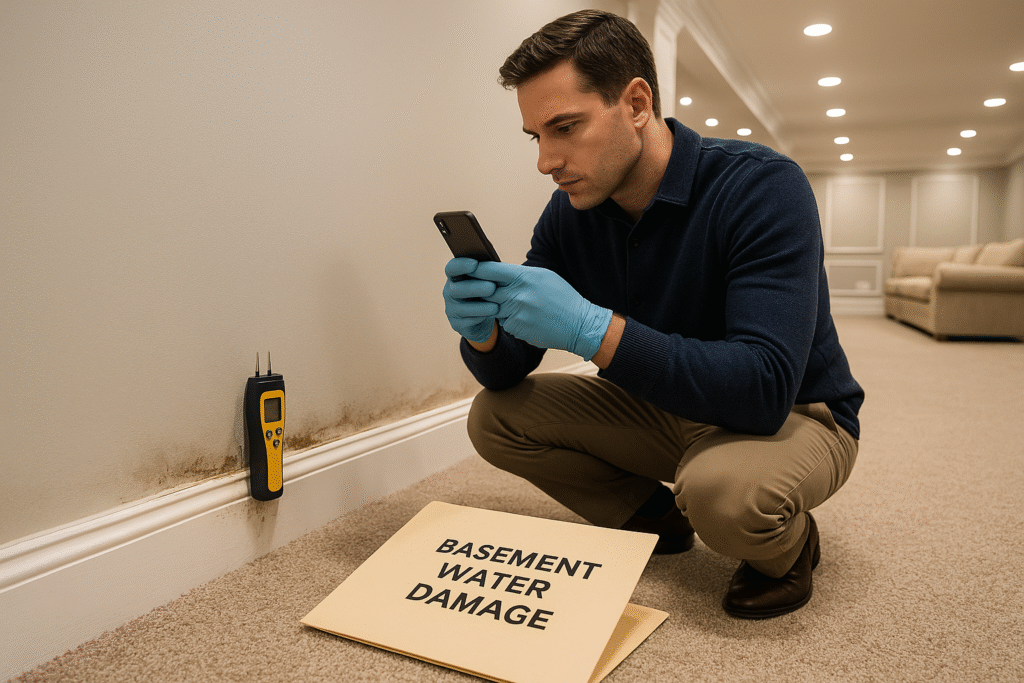
Start with photos and short videos from multiple angles. Capture the damp baseboard, nearby corners, any visible mold spots, and anything that might show where the water is coming from such as a foundation crack or a nearby sump basin. Update the photos over a few days if staining spreads or more mold appears.
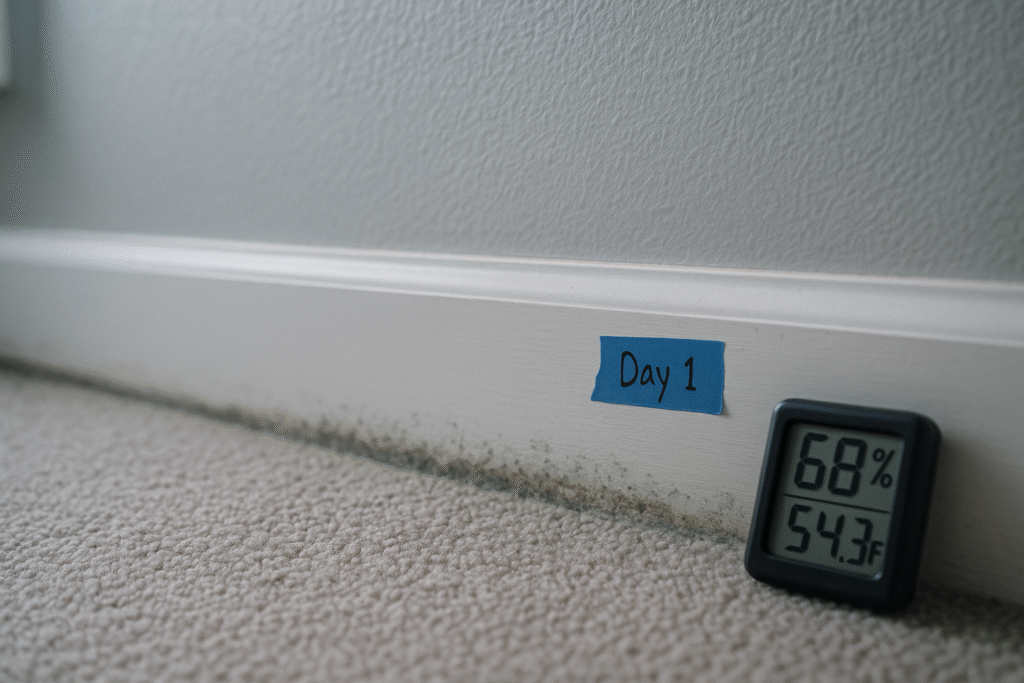
Note dates and times. If you have a moisture meter, record readings at set points along the wall. A small humidity gauge in the room can help show that humidity stayed elevated until the area was dried. Keep receipts for any fans, dehumidifiers, or temporary repairs you pay for yourself. If you have a detailed “before” photo, such as a real estate listing or remodel snapshot, save that too.
Working With Inspectors, Adjusters, And Pros
When you bring in an inspector, insurance adjuster, or restoration contractor, provide your photos and notes up front. Ask each person to write down their understanding of the source, the extent of damage, and the recommended repairs. If opinions differ, having clear written summaries makes it easier to reconcile estimates or ask follow-up questions.
A reputable restoration company like Optimized Restoration will usually help you separate what is clearly caused by this water event from old damage, and will outline options that match both good practice and budget. If you want deeper context, the Environmental Protection Agency offers homeowner-focused guidance on cleaning up mold and drying water-damaged materials, which can help you understand why certain steps are recommended or why some porous materials may need removal instead of spot cleaning. EPA’s overview of mold cleanup in homes is a useful reference while you review contractor scopes.
Share all written reports and photos with whichever party may share responsibility, such as your insurer, landlord, or HOA. Keep everything together in a simple folder or digital drive, labeled by date, so you can pull details quickly if questions come up months later.
Common Mistakes That Undermine Your Mold Claim
Many basement mold disputes become harder than they need to be because of preventable missteps. Avoiding these mistakes reduces stress and helps your claim or complaint be taken more seriously by insurers, landlords, and associations.
Bleach And Paint As A Cover-Up
Quickly wiping visible growth with bleach, then painting over the baseboard, might feel like progress, but it can destroy useful evidence. If you later claim long-term mold or hidden damage, the other side may point to the fresh paint and argue that the problem must be minor or new. Bleach and paint do not address moisture in the wall cavity, so mold can return.
Instead, document first, then use gentler, recommended cleaning approaches on small, non-porous materials only if the moisture source has been fixed and you are confident the issue is minor. For anything more than a small patch, or when porous materials are involved, professional guidance is safer for both health and documentation.
Waiting Too Long To Report The Problem
Delaying a report to your insurer, landlord, or HOA can shift responsibility. Insurers may argue late notice, and landlords may say they would have acted sooner if they had known. In shared buildings, an association may need time to coordinate exterior or drainage repairs, so early notice is critical.
As a rule of thumb, notify the relevant party in writing as soon as you see persistent dampness, active leaks, or mold spots, even if you are still trying to understand the cause. Attach photos and a short description rather than emotional commentary. Calm, prompt reporting shows you are acting in good faith.
DIY Demolition Without Containment Or PPE
Pulling out wet carpet or cutting drywall without containment can spread spores and dust, and it may be used against you later if the area becomes more contaminated. It also increases personal health risks. High-quality guidance from agencies like the EPA and state health departments stresses controlling moisture, protecting occupants, and avoiding unnecessary exposure when dealing with mold.
If you must do limited emergency work yourself, keep it modest and focused on stopping immediate damage, such as moving belongings out of the damp zone and running a dehumidifier. Leave cutting, removal, and containment to professionals for anything beyond a small patch. If you have already done demolition, document what you did and why, so later reviewers understand your actions were a good faith effort to prevent further damage.
When To Call A Pro In Orono
There are two main reasons to call a restoration professional instead of trying to manage everything alone. The first is health and safety. The second is legal and insurance complexity. If anyone in your household has asthma, allergies, or a weakened immune system, it is especially important to minimize exposure during cleanup. National health agencies explain that people in damp, moldy environments report more respiratory symptoms and flare-ups, which is why taking precautions is not just being cautious for its own sake.
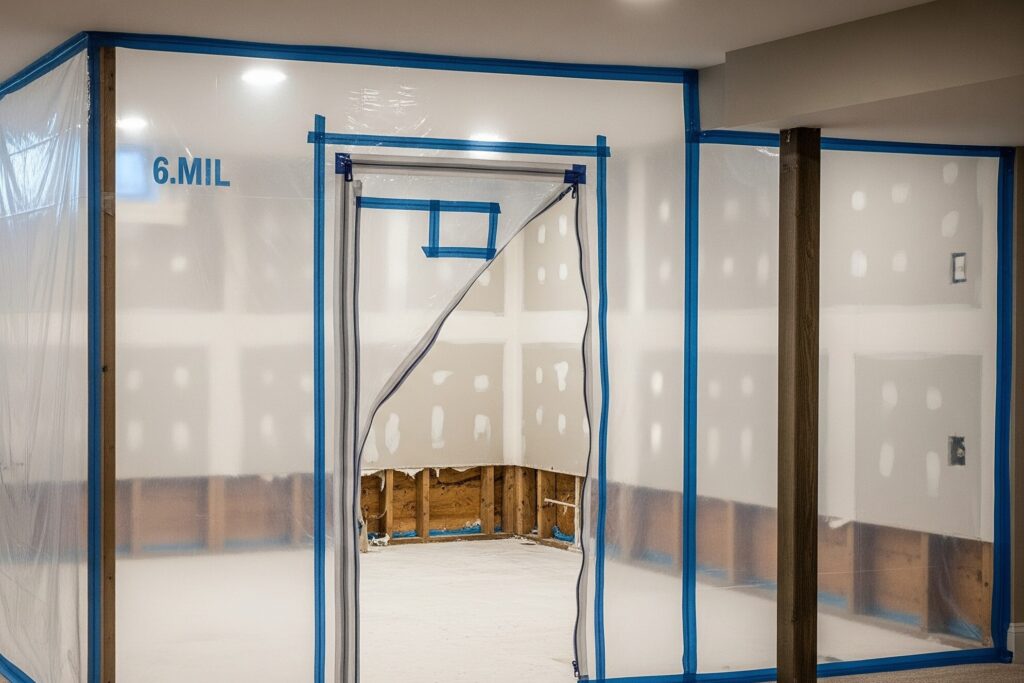
If the affected area is larger than a few square feet, if mold has grown on porous materials like drywall or carpet, or if the source involves foundation or structural issues, bringing in a company that handles mold-related water damage on a regular basis is usually worth it. A local firm such as Optimized Restoration can help you stabilize the situation, set up safe containment, dry the structure, and communicate clearly with insurers or other decision-makers so liability discussions are based on facts instead of guesswork.
For renters or owners in townhomes and condos, professionals can also help you create clear, written scopes of work that landlords or associations can review. That can reduce arguments over what is “too much” or “not enough” work. When you combine that with written public health guidance, like the Minnesota Department of Health’s advice on mold in homes and rental settings, you end up with a much stronger foundation for negotiations and, if needed, legal advice.
Quick Basement Mold Responsibility Checklist
Use this checklist to stay organized when a finished basement seep turns into a mold question.
- Identify and stop the moisture source as quickly as possible, even if it means a temporary fix.
- Document the damage immediately with dated photos, videos, and basic moisture or humidity readings.
- Notify your insurer, landlord, or HOA in writing with a short, factual description and attachments.
- Keep a simple log of who you spoke with, when, and what they promised to do.
- Request written opinions from inspectors, adjusters, and contractors about the source and recommended repairs.
- Avoid bleaching and painting over mold before documentation or professional evaluation.
- Consult a restoration pro and, when stakes are high, a local attorney or tenant advocate if responsibility is disputed.
Basement Mold Liability FAQ
Is basement mold always covered by homeowner’s insurance?
No. Many policies only cover mold when it results from a sudden and accidental water event that is itself covered, such as a burst pipe. Long-term seepage or poor maintenance is often excluded, and some policies cap mold coverage at a relatively low dollar amount. Reading your policy and asking your agent direct questions is essential.
What if my landlord will not fix mold in a finished basement bedroom?
Landlords are generally required to provide safe, habitable housing, which includes addressing moisture and mold that affect health or structural integrity. Start by documenting the problem and notifying the landlord in writing with photos. If they do not respond, tenants often turn to local housing or public health agencies and, if needed, legal aid or tenant advocacy groups for options under state law.
Do I need professional testing to prove mold is dangerous?
In many cases, visible mold plus clear moisture history is enough to justify cleanup without expensive testing. National health agencies emphasize that any indoor mold growth signals a moisture problem that should be corrected, regardless of species. Testing may be helpful in complex disputes or for specific medical guidance, but for most homeowners the priority is fixing moisture and safely removing damaged materials.
Recommended articles
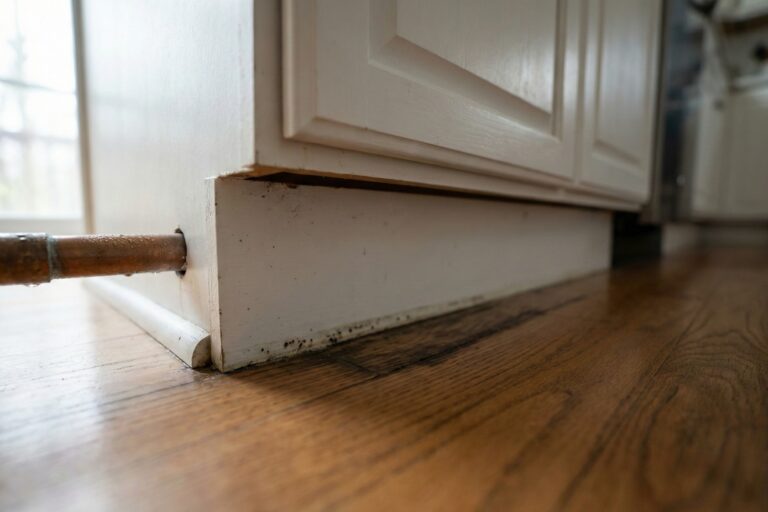
Kitchen Leak Mold Traps That Make Minnetonka Beach Families Overpay
A slow kitchen leak can quietly grow mold, trigger real mold health risks, and open the door for exaggerated bids and confusing insurance advice. This guide shows you how to protect your family’s lungs and your wallet with a clear kitchen mold action plan and scam-proof checklist.
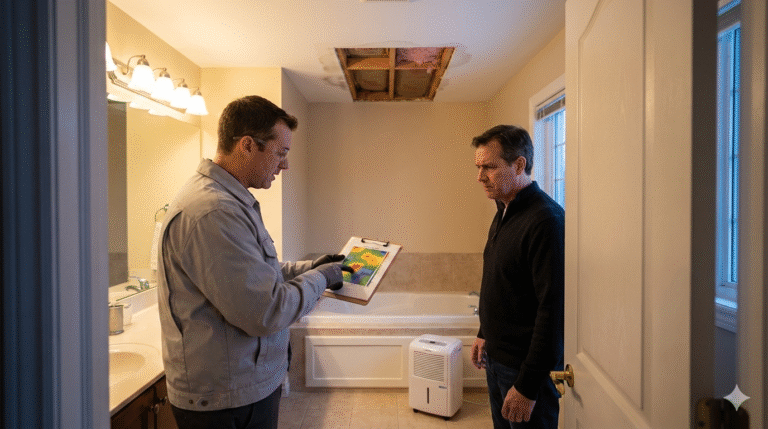
From Panic To Peace: A Bathroom Mold Cleanup Story In Victoria
A simple upstairs bathroom overflow turned into hidden mold, scary health questions, and a bloated five-figure estimate. This case study walks through what really happened, how the bathroom mold remediation process should look, and the money-saving choices that kept one Victoria family from overpaying.
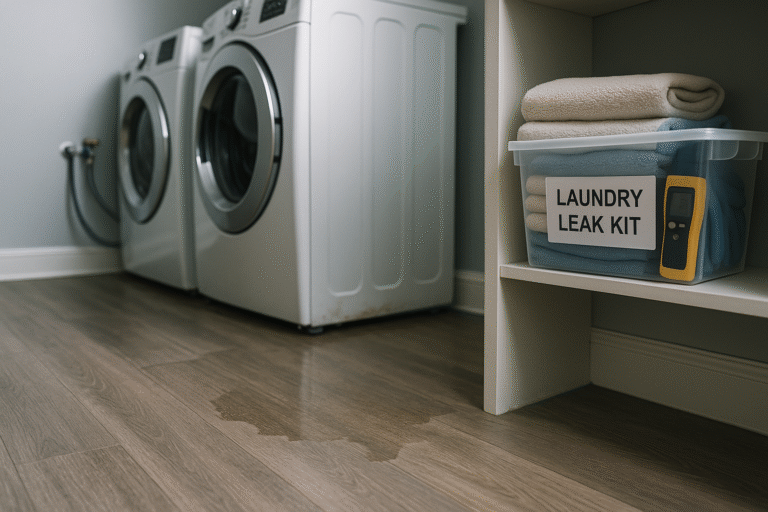
Laundry Room Mold Survival Guide for Minnetonka Beach Homeowners
A washing machine leak in a small laundry room can quietly turn into stained trim, musty smells, and insurance headaches. This guide walks you through laundry room mold prevention, from hose inspections and humidity control to a practical “survival kit” and checklist that keep you in control when something goes wrong.