
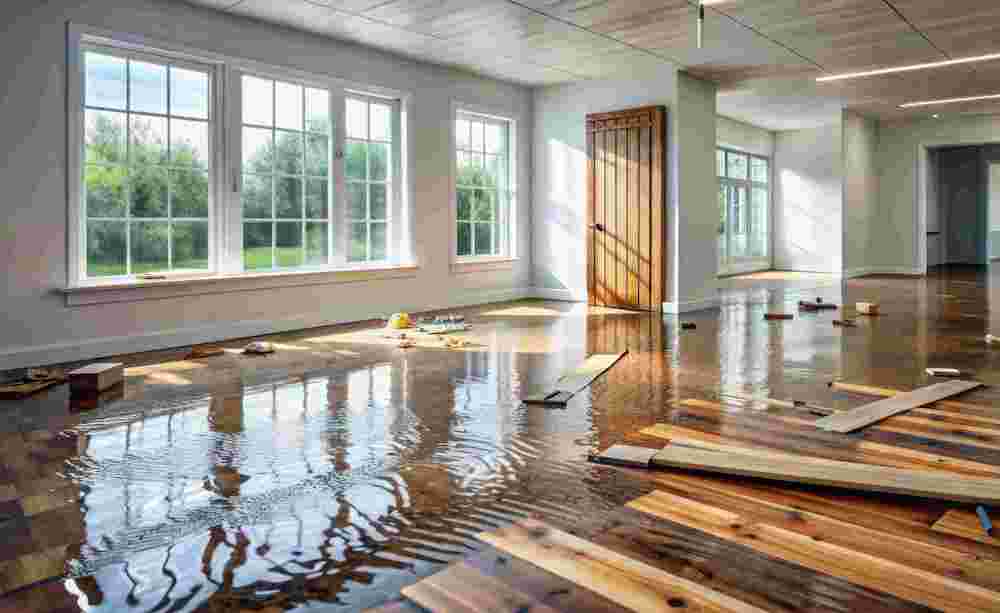
How to Protect Your Home from Future Water Damage in Minneapolis
This guide explains how to protect your home from future water damage with practical, step-by-step actions. Read on for prevention tips, seasonal maintenance, and a ready checklist you can use now.
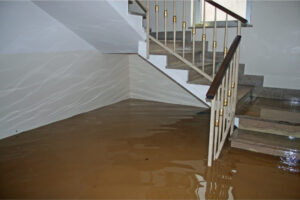
Common Sources of Water Damage in Homes
Exterior Factors: Roof, Gutters, Grading
In the Twin Cities region, including neighborhoods like Linden Hills and the Chain of Lakes area, exterior drainage and roof condition are primary lines of defense. Rapid spring melts or heavy summer storms send more water to your property than a clogged gutter can handle. Keep gutters clear and downspouts pointed away from the foundation to prevent pooling. Check that the soil grade slopes away from the house by at least six inches in the first ten feet to encourage runoff.
Older gutters and short downspouts are common on many Minneapolis and nearby suburban homes. Ice dams can develop when attic and roof temperatures vary, forcing meltwater under shingles and into roof seams. Once water breaches the roof system, it can run down inside walls and damage drywall, insulation, and finishes.
Interior Plumbing and Appliance Leaks
Appliance and plumbing failures are frequent and often unseen. Washing machines, dishwashers, water heaters, and refrigerator icemakers can develop slow leaks that soak subfloor and framing. Inspect hoses for bulges, cracks, and corrosion. Replace flexible supply hoses every five to seven years and consider steel‑braided replacements for added durability.
Locate and label your main water shutoff valve. In a leak emergency, shutting off the home supply quickly limits damage and can save thousands in repairs. For owners of homes in areas such as Southwest Minneapolis and older inner suburbs, checking caulking and seals around tubs and showers prevents water from seeping into wall cavities.
Seasonal Risks Unique to the Twin Cities (Ice Dams, Thawing Snow)
The Upper Midwest climate creates seasonal hazards. Large snowpacks followed by rapid warm spells can overwhelm gutters and drainage. If gutters or downspouts are blocked by ice or debris, meltwater may back up and enter attic systems. Heavy spring rains on thawing ground can overwhelm drainage systems that otherwise worked fine during drier years.
Given these conditions, regular maintenance of roof ventilation, attic insulation, and gutter systems is essential. Inspect areas around the house where water tends to collect after storms and consider targeted drainage improvements if water pools consistently.
When to Call a Pro in Minneapolis
As a responsible homeowner in Minneapolis, you are the hero of your house and we are the guide on standby. Call a restoration or waterproofing professional when you see signs of hidden damage, structural risk, or events beyond DIY scope.
Recognising Unseen Damage and Structural Risk
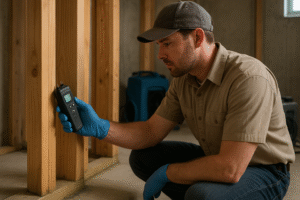
Persistent basement dampness, bulging drywall, visible mold spots, or a musty smell are signs that water has invaded areas you cannot easily reach. Professionals use moisture meters and infrared imaging to find hidden wet framing, insulation or flooring. Foundation cracks that widen after storms, or efflorescence (white salt marks) on masonry walls, indicate long‑term moisture issues that need attention.
If flooding involves sewage, contaminated water, or structural compromise, call trained restoration teams. Proper drying and sanitation reduce mold risk and restore indoor air quality. For federal guidance on cleaning up after flooding and protecting indoor air, consult the EPA’s flood cleanup guidance.
Certified Restoration vs DIY: What to Ask
When contacting a contractor, ask about certifications, such as IICRC credentials, and experience with cold‑climate waterproofing. Ask for a clear drying plan and the equipment they will use: dehumidifiers, air movers, and moisture mapping tools. Confirm they document moisture levels before and after drying; that documentation helps if you file an insurance claim.
How to Protect Your Home From Future Water Damage
This section lists concrete actions to protect your home from future water damage. Start with the basics and add upgrades as needed to improve long‑term resilience.
Simple Homeowner Actions: Gutters, Landscaping, Sump Pumps
Clear gutters in spring and again in late fall. Ensure downspouts discharge at least 6 to 10 feet from the foundation or tie them into an underground drain. Re‑grade areas where soil has settled and funnels water toward the foundation. If water pools near a wall after storms, consider adding a short French drain or regrading the landscape to push water away.
If your home lacks a sump pump and you have a basement or crawl space, consider installing one. In Minneapolis, a battery backup for the sump pump is a small up‑front cost that pays off when storms cause power outages during heavy melt or rain events. Keep the pump clean and test it annually by pouring water into the sump pit and watching it cycle.
Plumbing and Interior Systems You Can Inspect
Inspect appliance hoses and supply lines regularly. Replace hoses on washing machines and dishwashers if they’re older than five years. Test shut‑off valves and ensure they operate freely. Install water‑leak sensors near appliances and at low points in the basement; many modern sensors send phone alerts when they detect moisture.
Insulate exposed piping in unheated spaces and seal gaps where cold air can reach pipes. If you have an older home with knob‑and‑tube or aged plumbing, consult a licensed plumber to evaluate risk and possible replacement.
Long‑Term Upgrades for Resilience (Battery Backups, Backflow Valves)
Consider professional upgrades such as installing a sanitary backflow valve on the sewer line to prevent municipal sewer backups from entering the basement. Install battery or UPS backups for sump pumps and critical controls so systems operate during power outages. For homes near low spots or riverbanks, elevating mechanical equipment above expected flood levels reduces direct damage risk.
Recommended articles
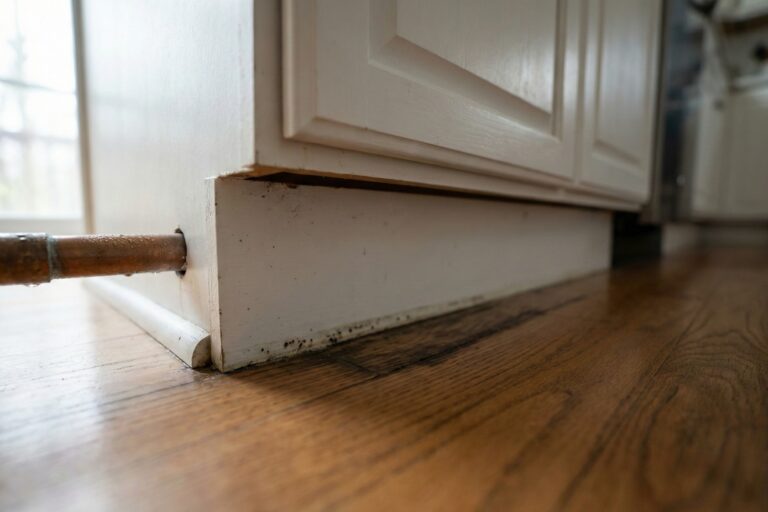
Kitchen Leak Mold Traps That Make Minnetonka Beach Families Overpay
A slow kitchen leak can quietly grow mold, trigger real mold health risks, and open the door for exaggerated bids and confusing insurance advice. This guide shows you how to protect your family’s lungs and your wallet with a clear kitchen mold action plan and scam-proof checklist.
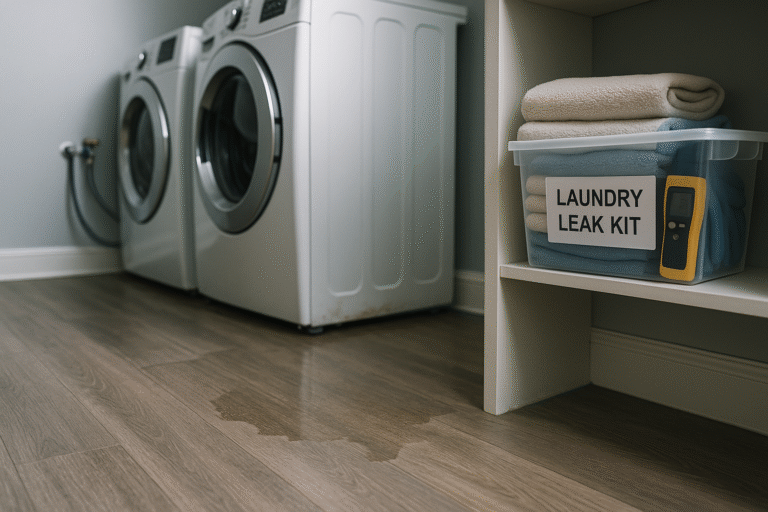
Laundry Room Mold Survival Guide for Minnetonka Beach Homeowners
A washing machine leak in a small laundry room can quietly turn into stained trim, musty smells, and insurance headaches. This guide walks you through laundry room mold prevention, from hose inspections and humidity control to a practical “survival kit” and checklist that keep you in control when something goes wrong.
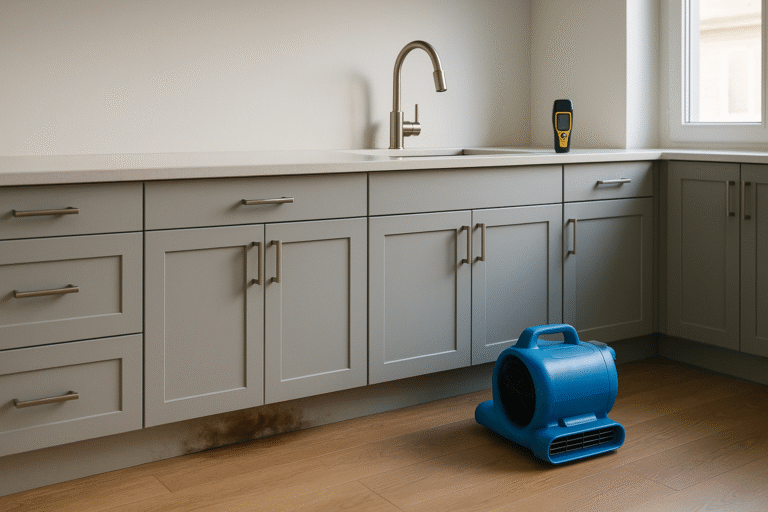
Inside The Mold Remediation Process After A Kitchen Leak: St Louis Park Homeowner Guide
A slow kitchen leak can turn into a hidden mold problem in just a few days. This step by step guide walks you through what a professional mold remediation process looks like in a wet kitchen, how to spot bad contractors, and when to call a local pro for help.