

Taking Care of Halloween Damage in Minneapolis
After a lively Halloween, you might find sticky residues, broken decorations, burned candles, or worse. The first step is a calm inspection and a plan. This guide walks Minneapolis homeowners through safe cleaning, basic repairs, moisture control, and when to call a licensed pro.

Why Halloween Messes Can Become Real Damage
Small messes can grow into major problems if left in place for weeks. Pumpkin pulp and dye sit against siding and porches. Egg contents are acidic and can etch paint, glass, or masonry. Candle heat and fallen embers can char trim or set insulation at risk. In our climate, the Twin Cities’ chill and moisture can make things worse. Wet organic material near foundations speeds rot. Areas that stay damp for more than 24 to 48 hours invite mold and insect activity. Addressing Halloween debris quickly reduces these risks.
Inspect both visible surfaces and hidden places where residues collect. Decorations often sit near eaves and gutters where moisture concentrates. Porch lights or luminary placements can warm plastic and cause warping. A careful walk around the house in daylight gives you perspective. Take photos: they help with insurance claims and contractor estimates.
For basic health and cleanup guidance after household contamination or organic messes, state-level resources are helpful. The Minnesota Department of Health offers practical tips for safe cleanup and protecting household members during and after a cleanup event. Minnesota Health: Clean-Up After Damage — why this helps: provides state guidance on safe cleanup methods and health precautions.
Common Types of Halloween Damage And Practical Fixes
Different problems need different responses. This section lists common issues and clear steps you can take today. Each subsection is written for a homeowner who wants to fix things safely and promptly.
Egging, Sticky Residue, And Paint Film
Eggs and goo create an acidic film that can damage paint and brick if left to dry. Start by rinsing with a garden hose at low pressure to avoid grinding residue into surfaces. Mix mild dish soap with warm water and use a soft brush to lift residue. Avoid metal scrapers on painted surfaces. For stubborn spots, a paste of baking soda and water applied briefly can loosen film without harsh chemicals.
Work from the bottom up so you do not streak dirt onto cleaned areas. After cleaning, rinse thoroughly and allow surfaces to air dry. If the paint appears etched or dull after cleaning, note those areas for future touchup; do not repaint until surfaces are completely dry, typically 48–72 hours in fall weather with ventilation.
Adhesives, Tape, And Glitter
Adhesive-backed decor and glitter often leave tacky residue. Test any solvent in a small, out-of-sight patch first. Citrus-based adhesive removers or rubbing alcohol applied sparingly on vinyl or glass can remove residue. On painted wood, lift adhesive with dental floss and then clean with mild soap. Vacuum loose glitter before wet-cleaning to reduce spread. When possible, replace sticky fasteners with removable hooks in future use.
Stains On Masonry And Siding
Pumpkin dyes and organic stains need different cleaners. On vinyl or composite siding, use a non-abrasive general cleaner and soft brush. For brick or concrete, masonry cleaners or a diluted oxalic acid product can help. Follow product labels and protect plants when using chemicals outside. After a heavy stain removal, inspect for any lingering color change; some stains penetrate porous materials and may need professional masonry cleaning to fully restore.
Soot, Smoke, And Minor Fire Damage
Small candle mishaps can leave soot or a persistent odor. For surface soot, use a dry chemical sponge or vacuum with a HEPA filter to remove loose soot before wet cleaning. Wet-cleaning must use the gentlest detergent solution first; aggressive scrubbing can smear soot deeper into porous surfaces. For pervasive odor or smoke inside ductwork, call a restoration pro with HVAC cleaning experience. Electrical or structural fire damage requires immediate professional evaluation.
Moisture, Rot, And Mold Risk
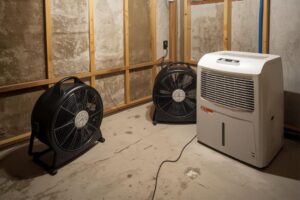
Leftover pumpkin flesh and wet paper decorations increase local humidity and can feed mold. Dry the area with fans and dehumidifiers. Inspect trim, soffits, and baseboards for soft spots or staining. Small mold patches may be cleaned with EPA-registered products, but larger infestations need a professional remediator. Keep a record of drying times and any treatments applied in case insurance or later repair decisions require documentation.
Soil Disturbance And Walkway Damage
Heavy yard displays can compress soil near foundations or crack thin concrete. Inspect walkways and the area around the foundation for small cracks or settling. Small fissures can be filled with concrete patch or landscape sand. For cracks that widen over time or for visible settling, document and call a foundation professional before freeze-thaw cycles worsen the damage.
Pest Attraction And Entry Points
Rotting pumpkins, spilled candy, and sticky residues attract ants, flies, and rodents. Remove organic debris promptly and inspect vents, screens, and small gaps. Seal holes larger than 1/4 inch with appropriate caulk or metal mesh. Store leftover decorations in sealed bins and keep compost or yard waste away from the foundation during fall.

When to Call a Pro in Minneapolis: Halloween damage Minneapolis
Deciding when to call a professional saves time and prevents bigger problems. Use these guidelines for Minneapolis homeowners. If you hit any of these points, reach out to licensed restoration or building professionals:
- Visible structural damage to siding, fascia, trim, load-bearing elements, or masonry.
- Persistent smoke odor inside the house or evidence of soot in HVAC systems.
- Large mold growth greater than a 10 square foot area or mold that returns after cleaning.
- Foundation cracks that are new or growing, especially near soil heave from displays.
- Electrical issues or burn marks near wiring, switches, or outlets.
- Water intrusion after cleaning that you cannot dry within 48–72 hours.
Licensed professionals understand Minneapolis building codes and historical district concerns. Always ask about licensing, insurance, and references. The Minnesota Department of Commerce provides consumer tips on selecting contractors and rebuilding after damage. MN Commerce: Rebuilding After Damage — why this helps: explains contractor vetting and best practices for repairs in Minnesota.
When you call a pro, have documentation ready: photos, a brief timeline of events, and copies of any receipts for materials or prior work. For insurance, a clear before-and-after photo set plus a written list of observed damage helps adjusters. If you suspect fraud or aggressive soliciting, contact the Minnesota Attorney General for guidance before signing large contracts.
Step-By-Step Cleanup Plan For Homeowners
This plan is a homeowner-focused sequence you can follow in one weekend for small-to-moderate issues. It keeps safety first and limits escalation.
Initial Inspection And Documentation
Walk the perimeter and inside your home. Photograph every damaged area from multiple angles. Note odors, soft wood, or staining. Write simple notes like “siding stain near east porch light” and include timestamps on photos. Documentation speeds insurance and contractor estimates.
Safe Cleaning First Pass
Put on gloves and protective eyewear for unknown residues. Rinse areas with low-pressure water to remove loose material. Use mild soap and a soft brush on most surfaces. For glass, standard ammonia-based cleaners work. Rinse and allow to air dry. For outdoor areas where chemical runoff could affect plants, rinse plants with fresh water after finishing cleaning products.
Targeted Treatments
Use adhesive remover for tape residue and specific masonry cleaner on brick. If you choose store products, follow label safety instructions and dilute as directed. For small mold spots, use an EPA-registered product and scrub with a brush. Record products used and concentrations for later reference.
Drying And Monitoring
Move fans into place, open windows if weather permits, and run dehumidifiers in damp rooms. In Minneapolis fall weather, drying may take longer; monitor moisture levels over 48–72 hours. If areas do not dry, remove wet insulation or porous materials and call a professional remediator.
Minor Repairs And Sealing
After drying, replace small sections of rotted trim, touch up paint on shallow etches, and seal small masonry cracks. For paint touchups, ensure surfaces are fully cured to avoid blistering. If you are uncomfortable with carpentry or working at heights, hire a licensed contractor.
Prevention For Next Year
Switch to battery-operated candles, use removable hooks, and keep organic decor off the ground near siding. Securely anchor heavier displays to avoid soil compaction. Consider a seasonal checklist to avoid leaving items in place beyond the recommended display time.
Checklist: Post-Halloween Repair & Restoration Plan
Use this short checklist as a worksheet after inspection:
- Photograph all affected areas, inside and out.
- Rinse and gently clean residues (eggs, pumpkin pulp, tape, glitter).
- Apply targeted cleaners for stains and adhesive residue.
- Dry thoroughly with fans and dehumidifiers; log drying times.
- Inspect for soft wood, ongoing odor, or pest signs.
- Patch small cracks and replace minor trim as needed.
- If criteria in “When to Call a Pro” are met, contact licensed pros and preserve documentation for insurance.
FAQ
Can I remove mold caused by leftover decorations myself?
Small isolated patches (less than about 10 square feet) can be cleaned by a homeowner using EPA-registered products and protective equipment. For larger or recurring mold, or where HVAC or insulation is impacted, hire a certified remediator. Thorough drying and source control are essential.
How quickly should I dry a damp area to prevent lasting damage?
Aim to dry affected materials within 24–72 hours. In Minneapolis’ cooler fall weather, that may require fans, dehumidifiers, and removing wet porous materials. If you cannot restore dryness in that window, call a water damage professional to prevent mold and rot.
Does insurance cover Halloween damage?
Coverage depends on your policy and the type of damage. Take photos, document dates and cleanup steps, and contact your insurer early. For vandalism, police reports and prompt cleanup documentation can help support a claim.
When to Call a Pro — Safety And Regulatory Notes For Minneapolis
When choosing professionals, prioritize licensed contractors with local experience. Minneapolis has older housing stock in many neighborhoods; contractors must understand local building codes and historic district regulations. Ask for references, proof of licensing and insurance, and a written estimate that outlines scope, materials, and payment schedule. Avoid contractors who demand large upfront sums or press for immediate signatures. If a contractor is suspicious or you suspect a scam, contact the Minnesota Attorney General for consumer protection guidance. Minnesota Attorney General: Home Repair Scams — why this helps: explains consumer rights and how to handle problematic contractors.
Recommended articles

How to Protect Your Home from Future Water Damage in Minneapolis
Learn practical steps to shield your Minneapolis home from future water damage—from roofing and gutters to basements and plumbing. This homeowner-friendly guide covers prevention tips, when to call a pro, and a ready-to-use checklist you can act on today.
What to Do Immediately After Your Home Suffers Storm Damage in Minneapolis
When your home has been hit by a storm in Minneapolis — whether that’s heavy wind, hail, ice load, or flooding from heavy rain and melting snow — taking the right immediate steps can make a big difference in safety, insurance outcomes, and repairing damage properly. This article guides you through what to do right away, what you should document, when to make temporary fixes, and when to call in a professional. You’re the hero in this story — our team is on standby to guide you.