
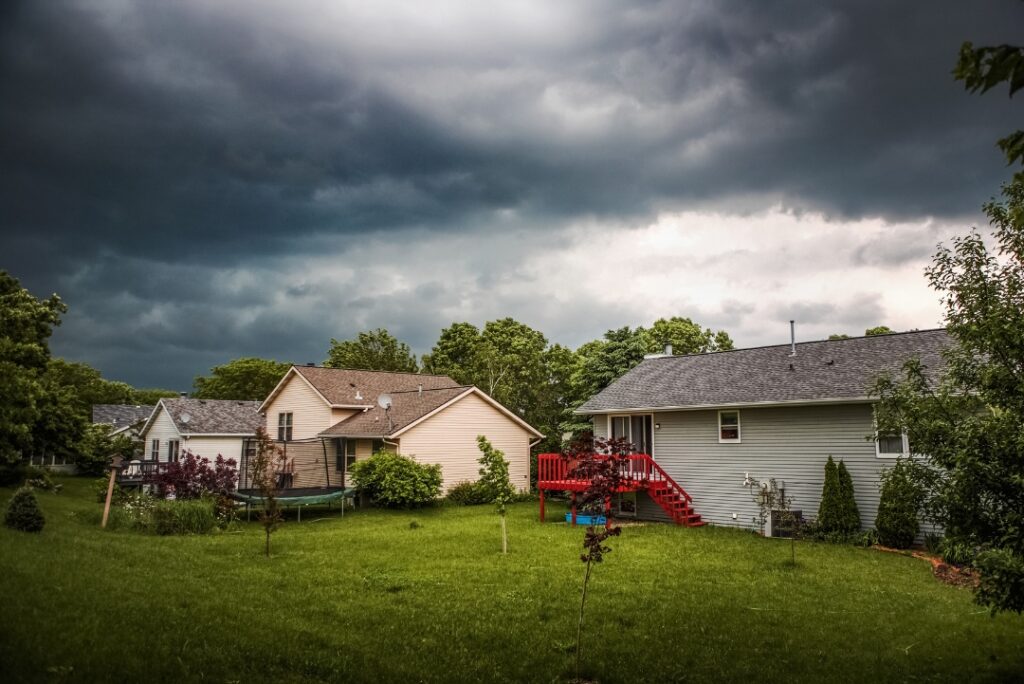
What to Do Immediately After Your Home Suffers Storm Damage in Minneapolis
When your home has been hit by a storm in Minneapolis — whether that’s heavy wind, hail, ice load, or flooding from heavy rain and melting snow — taking the right immediate steps can make a big difference in safety, insurance outcomes, and proper repairs. Follow the steps below; you’re the hero and our team is on standby.
Initial Safety And Securing Your Property
Storm damage often leaves hidden risks around your house. Start by ensuring safety before worrying about repairs or insurance.
Check For Hazards
After a storm, be alert to exposed nails, broken glass, downed power lines, unstable trees, leaking gas lines or flood-soaked walls. Stay clear of downed wires and treat all lines as live. If you smell gas or suspect a leak, leave the house and call your utility immediately. Use a flashlight if inspecting at night—not a candle or open flame.
National Weather Service: What to do after a storm — why this helps: guidance on common post-storm hazards and safety priorities.
Stop Further Damage Where Possible
Once you know it’s reasonably safe, prevent additional damage to structure and contents. Take clear photos and video, then make temporary repairs like tarping a roof or boarding windows. Keep receipts for materials and services — insurers often reimburse these emergency costs.
Document Everything
Before major cleanup, document damage thoroughly: photos from multiple angles, video walkthroughs and a written list of damaged items. Good documentation supports insurance claims and any disaster-assistance applications.
Consumer Financial Protection Bureau — why this helps: explains the insurance and documentation steps homeowners should take after disasters.
Understanding Your Insurance And Assistance Options
Before full cleanup in Minneapolis, get clear on what your insurance covers and what support is available.
Contact Your Insurance Agent Promptly
Call your homeowners insurer as soon as possible. Be ready to explain when and where the storm struck and which parts of the house were affected. Ask about coverage limits, temporary living expense coverage and whether flood-related damage is covered under your policy or requires separate flood insurance.
Explore Government Assistance And Grant Support
Even with insurance, you may qualify for additional aid. Check federal resources for disaster-related housing help and grant programs if damage is extensive.
USA.gov disaster resources — why this helps: central hub linking federal and state disaster assistance programs that may help with housing, repairs, and temporary needs.
Know What Your Policy Does Not Cover
Standard homeowners policies often exclude flood damage. If your basement flooded from surface water, separate flood coverage may be required. Clarify whether damage was caused by wind, rain, flood or seepage, because that affects claims.
When to Call a Pro in Minneapolis
If your damage extends beyond minor cosmetic issues, call a professional. Structural, electrical and hidden water problems need licensed experts.
Structural Or Roof Damage
If the roof shows large holes, sagging or broken rafters, or large limbs are resting on the frame, a contractor or structural engineer must inspect the house. Avoid door-to-door offers. Get multiple quotes, verify licensing, and have a written contract that covers scope, materials, and payment schedule.
Electrical, Gas, Or Water System Damage
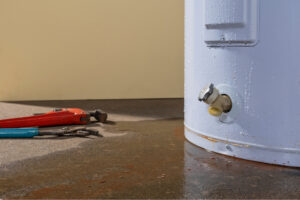
If utilities were shut off, wiring is exposed, water is pouring in, or you smell gas, call licensed electricians, plumbers or gas technicians. Improper fixes create ongoing hazards. For metro areas with older homes, hidden damage in wall cavities or attics can be dangerous if left untreated.
Mold, Moisture Or Hidden Water Damage
Water can get into walls, attics and basements. Musty odors, staining or persistent damp show you need a water-damage restoration specialist. Quick action limits mould growth and reduces long-term repair costs.
Practical Checklist: Seven Immediate Steps
Use this short checklist during the first hours and days after storm damage.
- Inspect for safety hazards (downed lines, gas, unstable trees).
- Photograph all damage inside and out.
- Notify your insurer and start a claim.
- Make temporary repairs to stop further damage (tarps, boards).
- Save receipts and document every expense.
- Apply for government aid if eligible.
- Contact licensed professionals for structure, utilities or hidden moisture.
Common FAQs
How fast should I call my insurance after storm damage?
Contact your insurer as soon as you can, ideally within 24 to 48 hours. Prompt notice helps the claims process and preserves options for temporary repairs.
Can I start repairs before the insurer visits?
You may do temporary repairs to prevent further damage and keep receipts. Avoid major permanent repairs until the insurer inspects unless they explicitly approve doing otherwise.
What if my home is uninhabitable?
If your home is unsafe to occupy, ask your insurer about Additional Living Expense coverage and check federal disaster housing resources. Safety comes first; don’t remain in an unsafe home.

Why Acting Quickly Matters
Quick response limits how much additional damage occurs — especially important in the Twin Cities where freeze and thaw cycles can worsen roof and water issues overnight. Fast documentation keeps claims clear and reduces the chance of disputes.
Conversion & Next‑Steps
We’re on standby to help you document damage, file claims and connect with vetted local contractors across the Twin Cities. Call or complete our contact form to request a free inspection and personalized next steps.
Authority & Trust
Sources used in this article include guidance from the National Weather Service, Consumer Financial Protection Bureau, and USA.gov to ensure safety, documentation and assistance steps are accurate and up to date.
When to Call a Pro: Safety And Local Notes
Structural, electrical or gas risks require licensed experts. In Minneapolis, heavy snow, hail, and freeze-thaw cycles add urgency. If you suspect a compromised roof, exposed wiring, or significant water entry — call a professional right away and keep a record of inspection reports and work orders.
FAQ Summary
How soon to contact insurer? Within 24–48 hours. Can I make repairs now? Yes, temporary repairs only. Is mold a concern? Yes, call a specialist if you notice damp or musty odors.
Recommended articles

Mold Liability After Water Damage In Orono: Who Pays When A Finished Basement Grows Mold
A slow seep in a finished basement can turn into a moldy mess and an argument over who pays. This guide walks you through mold liability after water damage, how to sort out responsibility between owners, tenants, HOAs, and contractors, and what to document so you stay in control instead of stuck in a feud.
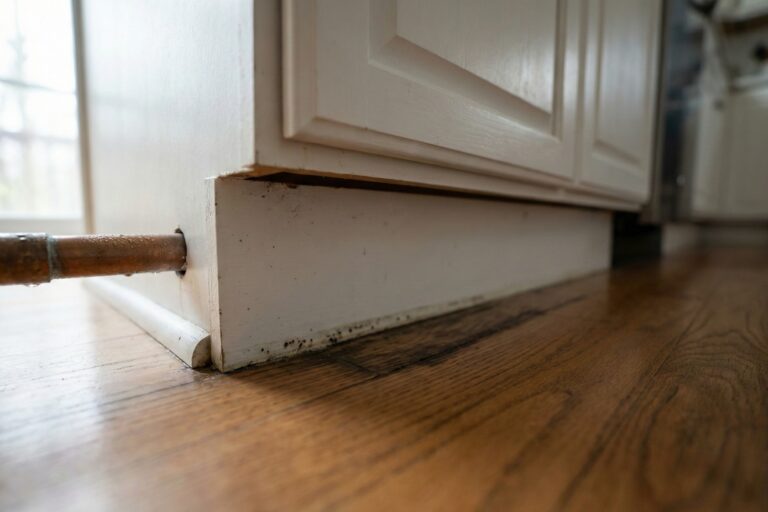
Kitchen Leak Mold Traps That Make Minnetonka Beach Families Overpay
A slow kitchen leak can quietly grow mold, trigger real mold health risks, and open the door for exaggerated bids and confusing insurance advice. This guide shows you how to protect your family’s lungs and your wallet with a clear kitchen mold action plan and scam-proof checklist.
From Panic To Peace: A Bathroom Mold Cleanup Story In Victoria
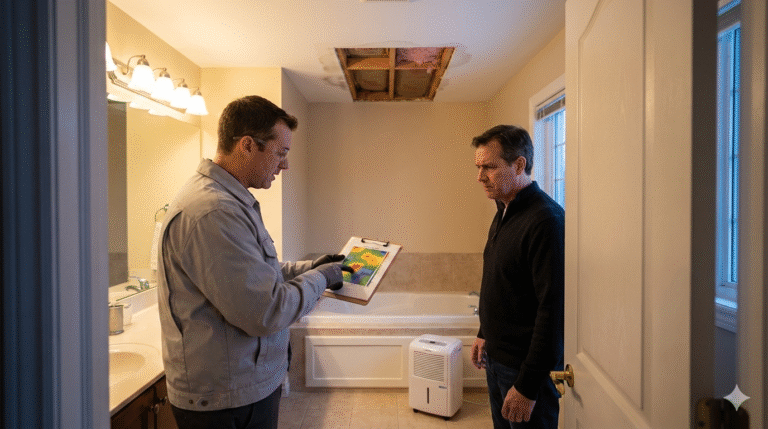
A simple upstairs bathroom overflow turned into hidden mold, scary health questions, and a bloated five-figure estimate. This case study walks through what really happened, how the bathroom mold remediation process should look, and the money-saving choices that kept one Victoria family from overpaying.