

Restoration vs. Renovation: What’s the Difference (and Which Do You Need?) in Minneapolis
The term restoration vs renovation often confuses homeowners. In Minneapolis, the choice affects budget, permits, and final look. This guide explains both approaches plainly and helps you decide. Use the short checklist and local cautions to plan a smart project for your bungalow, townhouse, or older two-story near Uptown or Northeast.

What Restoration Means
Restoration is the careful work of returning a building to how it looked at a chosen earlier time. The focus is on authenticity. Craftspeople preserve or accurately recreate original parts. That may include matching old trim profiles, repairing historic windows, or using period-matching mortar for brick work. The National Park Service lays out standards for treating historic properties and explains that restoration centers on preserving features that define a building’s character. National Park Service guidance on restoration.
In Minneapolis, restoration often appears in neighborhoods with older stock—Victorian, Craftsman, or early 20th century homes found near Kenwood, Whittier, or parts of Saint Anthony Park. Homeowners choose restoration to protect architectural value, maintain authenticity for resale to buyers who want original character, or to preserve a family home for future generations.
Restoration projects can involve hidden complexity. Original materials may be brittle, or details exist only in small samples. Craftspeople may need to match wood species, recreate moulding, or use custom metalwork. Because of that, restoration often requires specialists who can document the original work, make careful repairs, and choose compatible replacement materials. For homeowners who value historical integrity, restoration keeps the story of the house intact while allowing for discreet modern upgrades to systems like heating and wiring.
What Renovation Means
Renovation is the act of making changes that improve a building’s comfort, safety, or function without the obligation to reproduce historic appearance. Renovation might replace old finishes, install new appliances, upgrade insulation, or reconfigure rooms for open-plan living. It concentrates on usability and performance. Renovation work can be as small as replacing fixtures or as large as gutting and refitting whole floors.
For Minneapolis homeowners, common renovation goals include improving energy efficiency to handle harsh winters, enlarging kitchens for modern lifestyles, and upgrading basements for additional living space. Renovations allow flexibility in material choice. You can select modern windows that provide superior thermal performance rather than restoring original sash windows that are less efficient unless they are retrofitted.
Renovations tend to be easier to phase. You can update mechanical systems one year, then tackle finishes the next. That makes renovation attractive when budgets are tight. Contractors working on renovations may focus on code compliance and value engineering—choosing durable, cost-effective materials while meeting structural and safety requirements. The result is a home that works better for today’s needs but may not retain period authenticity.

Key Differences Between Restoration And Renovation
Understanding the practical differences helps you describe your project to contractors and set realistic expectations. Restoration is about historical accuracy and preservation of character. Renovation is about improvement and modernization. That distinction affects each stage of the project: planning, permits, materials, and cost.
Permits and local review can differ. If your house is in a designated historic district or has landmark status, restoration plans may require review by preservation boards. Minneapolis and nearby municipalities have rules that influence what can be changed on exterior façades. Renovation work that changes the building footprint or structural elements will likely need a building permit and inspections regardless of district.
Cost drivers also differ. Restoration often has higher per-item costs because of custom work, careful matching of materials, and craftsmanship. Renovation costs can scale with size—replacing a whole HVAC system, reconfiguring walls, or adding square footage. Both approaches can uncover hidden issues in older homes: rot, outdated wiring, or foundation movement. Planning a contingency budget is essential for either path.
Finally, timeframe and sequencing vary. Restoration often requires more research, approvals, and material sourcing. Renovation can sometimes proceed faster because modern materials are widely available and contractors are experienced in contemporary builds. Choose restoration when the value of authentic materials outweighs the extra time and cost. Choose renovation when functionality, efficiency, and current lives matter most.
Restoration vs Renovation: Do You Need One or The Other?
To decide between restoration vs renovation for your home, start by clarifying three points: condition, purpose, and priorities. Condition covers structural integrity and systems. Purpose covers whether your priority is historical authenticity or modern comfort. Priorities include budget, timeline, and resale goals. This section gives a practical method to reach a clear decision.
How To Decide — Condition, Goal, Budget, District
First, inspect the condition. Look for active problems that threaten safety or performance: persistent leaks, structural movement, or failing HVAC. If the problem is structural or a health risk, prioritize remediation that could be part of either restoration or renovation. For example, water damage to original plaster might require restoration of the finish but only after structural and moisture problems are fixed.
Next, set your goal. Ask: is preserving original character essential? If so, restoration is likely the right path. If you want open living spaces, modern appliances, or an energy upgrade, renovation fits better. Many Minneapolis homeowners choose a hybrid approach: restore key character features such as trim and staircases, while renovating kitchens and bathrooms for modern use.
Budget matters. If you have a small budget, phased renovation is usually easier to manage. If you want a comprehensive restoration and historical accuracy, expect higher unit costs and a need for specialist trades. Researching local suppliers and craftsmen in the Twin Cities will help you estimate realistic numbers.
Finally, check local rules. If you live in a locally designated historic district or a national historic district, restoration projects often require approvals. Even if you do not have landmark status, your neighborhood association might have design recommendations. The Minnesota Historical Society offers local context and resources for homeowners working on historic properties. Minnesota Historical Society resources.
Practical Checklist — 7 Steps to Choose the Right Project
1. Document the house: take photos of key rooms, trim, windows, and exterior elevations. This becomes your reference for restoration or planning for renovation. 2. Prioritize safety issues: address water, structural, and mechanical failures first. Safety fixes come before finishes. 3. Define what you must keep: list features you want preserved (e.g., stair banister, built-in cabinetry) and those you are ready to change. 4. Get a condition report from a qualified home inspector or preservation consultant if you suspect historic materials. A specialist can identify original fabric worth saving. 5. Gather three bids that separately list restoration tasks and renovation tasks so you can compare costs and options clearly. 6. Check permits and lead-paint rules for older homes. If your home predates 1978, follow EPA guidance on RRP for work that disturbs paint. EPA Lead RRP overview. 7. Create a phased plan and include 10–20% contingency for surprises typical in older homes.

When to Call a Pro in Minneapolis
Call a professional if any of the following appear in your home. Professionals include licensed contractors, structural engineers, or preservation specialists depending on the issue. If you see sagging floors, major leaks, persistent mold growth after repairs, or if your project needs historic review, bring experts in. Minneapolis climate — heavy snow, freeze-thaw cycles, and spring thaw run-off — can accelerate hidden damage, so local experience matters.
You should also call a pro when you plan work that touches the building envelope (roof, foundation, exterior walls) or when you plan to alter bearing walls or add square footage. Proper permitting and code compliance avoid unsafe outcomes and fines. If your home was built before 1978 and you will disturb paint or remove old plaster, contractors who are EPA RRP certified can protect your family from lead hazards.
Finally, involve a pro when you seek accurate restoration. Specialists who focus on historic buildings can document features, recommend compatible materials, and liaise with preservation boards. They can advise whether restoring original windows is cost-effective or whether retrofitting for energy performance makes more sense. For guidance on local home repair programs that might help with funding or permitting, explore state or city resources that assist homeowners with repairs and rehab.
FAQ
Can I restore parts of my house and renovate others? Yes. Hybrid projects are common. Many homeowners restore character elements like mouldings or staircases while renovating kitchens and mechanical systems for better performance.
How do I know if my house is in a historic district? Check local municipal resources and the county assessor’s records. Neighborhood associations and the Minnesota Historical Society can help identify districts and give guidance on review processes.
Will restoration increase my home’s value more than renovation? It depends. In neighborhoods where buyers prize authenticity, careful restoration can command premiums. In markets that favor modern convenience, strategic renovation that improves livability and systems may deliver better returns.
TL;DR
• Restoration preserves historical character and matches original materials. • Renovation modernizes function and comfort using newer materials and layouts. • Decide based on condition, goals, budget, and local regulations. • Call pros for structural, envelope, or historic-district work, and follow lead-safety rules for older homes.
Practical Next Steps
If you want help evaluating your specific Minneapolis home, take these next steps: photograph priority areas, collect any historic paperwork, and schedule a condition assessment with a qualified local contractor or preservation consultant. Ask for itemized bids that separate restoration tasks from renovation tasks so you can compare options and costs.
Recommended articles
What to Do Immediately After Your Home Suffers Storm Damage in Minneapolis
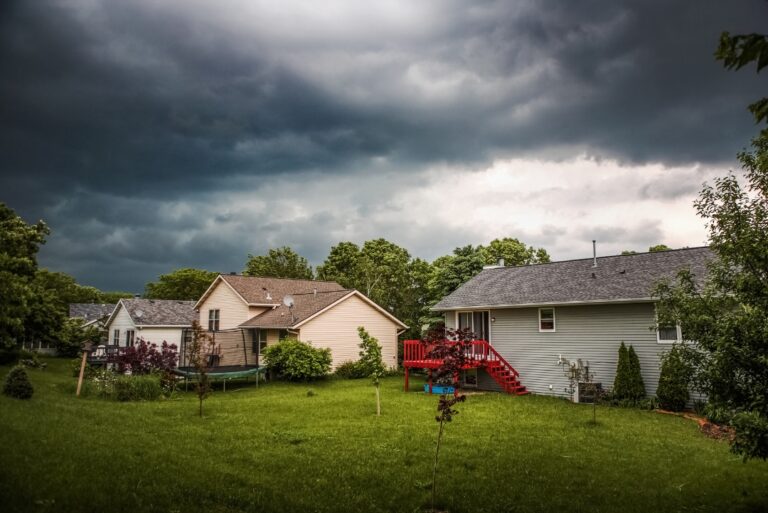
When your home has been hit by a storm in Minneapolis — whether that’s heavy wind, hail, ice load, or flooding from heavy rain and melting snow — taking the right immediate steps can make a big difference in safety, insurance outcomes, and repairing damage properly. This article guides you through what to do right away, what you should document, when to make temporary fixes, and when to call in a professional. You’re the hero in this story — our team is on standby to guide you.
Is Your Basement Making You Sick? Understanding Indoor Air Quality in Older Homes in Minneapolis
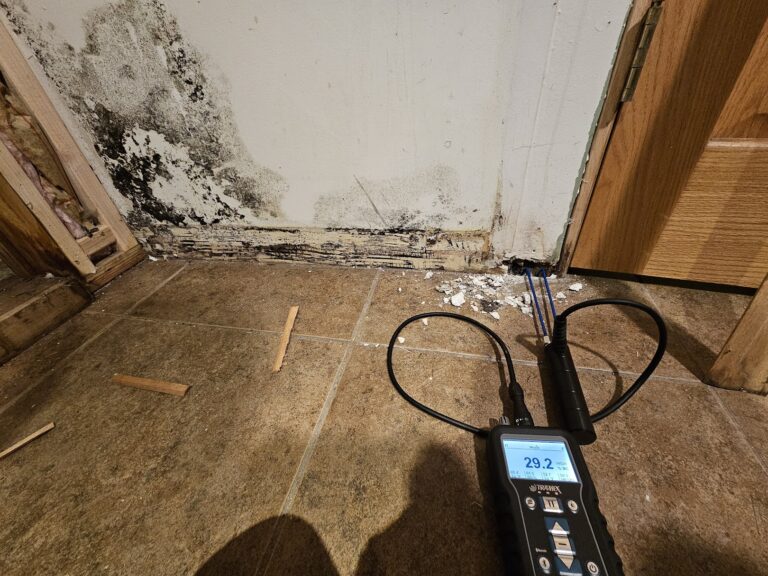
Older Minneapolis basements often trap moisture, soil gases and dust. This homeowner’s guide explains how to check humidity, test for radon, inspect vents and ducts, and take practical steps to improve air. Follow the checklist and learn when to call a licensed pro familiar with older Twin Cities houses.